Thank you for writing to us. One of our executive will reach back to you through your submitted medium. In case there’s an urgency, feel free to connect over WhatsApp for faster response.
Prefer calling? Dial +918048036175 (International callers) or 08048036175 (Indian callers).
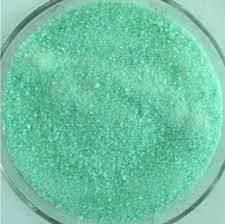
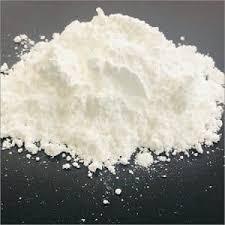
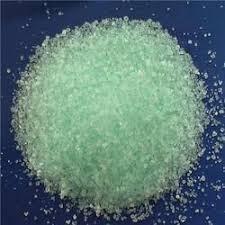
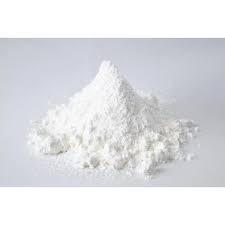
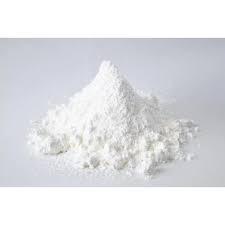
Ferric Fluoride (Iron(III) fluoride), with the chemical formula FeF3, is an inorganic compound appearing as a white to pale green crystalline solid. It is thermally stable with a high melting point of about 1000°C and has a density of approximately 3.87 g/cm³. Ferric fluoride is insoluble in alcohol, ether, and benzene, and slightly soluble in water and dilute hydrofluoric acid.
Ferric fluoride exhibits a rhombohedral crystal structure with octahedral coordination around the iron(III) centers. It is used primarily in materials science for fluoride-based ceramics and glasses, as well as a catalyst in certain organic synthesis reactions and cross-coupling processes. Due to its corrosive nature and fluoride content, it requires careful handling and storage in a cool, dry, and well-ventilated area.
Key Features:
Chemical formula: FeF3
Appearance: White to pale green crystalline powder
Melting point: ~1000°C
Density: 3.87 g/cm³
Solubility: Insoluble in alcohol, ether, benzene; slightly soluble in water and hydrofluoric acid
Uses: Ceramic and glass production, organic synthesis catalyst, material science research
Safety: Corrosive, causes skin and eye irritation; handle with appropriate PPE and storage conditions
This description is suitable for industrial, laboratory, and e-commerce product listings requiring technical details about ferric fluoride.
Ferric Citrate is an iron(III) coordination compound with the chemical formula
C
6
H
5
FeO
7
C
6
H
5
FeO
7
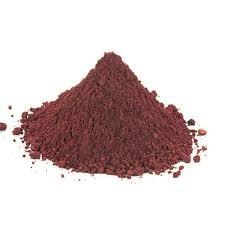
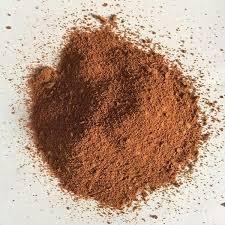
, commonly existing as a hydrate (e.g., monohydrate). It appears as a garnet red to brown powder, odorless and hygroscopic (absorbs moisture from the air). Ferric citrate is freely soluble in water and forms complex coordination structures where citrate acts as a ligand to ferric ions.
Description for Website
Ferric Citrate Extra Pure is a high-quality iron(III) citrate complex supplied as a garnet red to brown crystalline powder. It is widely used as a bioavailable form of iron in nutritional supplements, as a phosphate binder in medical treatments for chronic kidney disease, and in chemical synthesis. The compound exhibits excellent water solubility and stability and is odorless, making it suitable for pharmaceutical and food applications. Strict purity standards ensure minimal contaminants, supporting safe and effective use.
Key Features
Chemical formula:
C
6
H
5
FeO
7
C
6
H
5
FeO
7
(monohydrate form common)
Appearance: Garnet red to brown powder, odorless
Purity: Extra pure grade for sensitive applications
Solubility: Highly soluble in water
Biological roles: Iron supplement, phosphate binder in kidney disease treatment
Other uses: Chemical reagent and coordination chemistry studies
Storage: Store in a cool, dry place in a tightly sealed container
This description aligns with pharmaceutical, nutraceutical, and chemical industry needs for product catalogs, technical data sheets, and e-commerce platforms.
Ferric Chromate is an inorganic compound with the chemical formula Fe2(CrO4)3, commonly referred to as iron(III) chromate. It appears as a yellow powder and is known for its strong oxidizing properties typical of chromate compounds. It is insoluble in water and alcohol but soluble in acid solutions.
Ferric chromate is used mainly in research applications, materials science, and heterogeneous catalysis, where it serves as an oxidizing agent or catalyst precursor. The compound is notable for its yellow color (sometimes called Siderin Yellow) and is chemically stable under normal conditions but should be handled with care due to its oxidizing nature and chromium(VI) content, which can be toxic.
Key Features
Chemical formula: Fe2(CrO4)3
Appearance: Yellow powder
Solubility: Insoluble in water and alcohol, soluble in acids
Molar mass: Approximately 460 g/mol
Uses: Research chemical, catalyst precursor, oxidizing agent in industry
Safety: Contains toxic chromium(VI); handle with proper protective equipment and disposal measures
This summary is suitable for product descriptions, technical datasheets, and safety documentation for laboratory and industrial users.
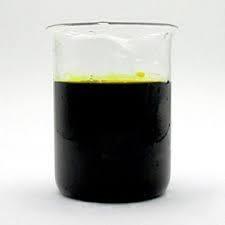
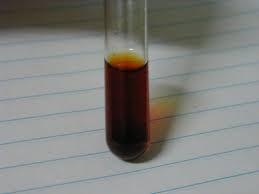
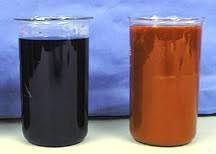
Ferric Chloride Solution 10% w/v is an aqueous solution containing 10 grams of ferric chloride (FeCl3) per 100 mL of solution. It appears as a red-brown liquid, odorless, and has acidic pH. The solution is commonly used in laboratories and industry for water and wastewater treatment, etching in the electronics industry, and as a laboratory reagent.
Key Properties:
Concentration: 10% w/v (10 grams per 100 mL)
Appearance: Red-brown liquid
Odor: Odorless
pH: Acidic
Density: Approximately 1.05 g/cm³
Boiling point: Above 100°C
Solubility: Completely miscible with water
Corrosivity: Corrosive to metals, causes skin and eye irritation
Storage: Store in a cool, dry place; keep container tightly closed and protected from light
Safety and Handling:
Causes serious eye damage and skin irritation
Use personal protective equipment such as gloves and goggles
Handle with care to avoid contact and inhalation
This grade is suitable for industrial, laboratory, and wastewater treatment uses where a controlled concentration of ferric chloride is required. The solution should be handled and stored properly according to safety guidelines.
This description is appropriate for product catalogs, safety datasheets, and e-commerce listings of ferric chloride 10% w/v solutions.
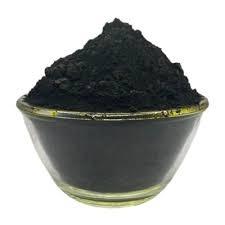
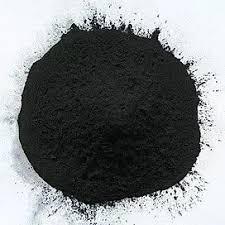
Ferric Chloride Anhydrous Extra Pure (FeCl3) is a dark green to brown-black crystalline solid with a molecular weight of 162.21 g/mol. It is highly hygroscopic and deliquescent, absorbing moisture from the air and forming hydrochloric acid vapors upon exposure to moisture. The anhydrous form has a melting point of about 307.6°C and boiling point near 316°C. It is soluble in water, alcohol, and glycerol, forming acidic solutions due to hydrolysis.
Description for Website
Ferric Chloride Anhydrous Extra Pure is a high-purity iron(III) chloride compound widely used as a Lewis acid catalyst in organic synthesis, etching agent in printed circuit manufacturing, and coagulant in water treatment. It is valued for its strong acidic and oxidative properties, making it essential for industrial and laboratory applications. The extra pure grade ensures low levels of impurities such as ferrous salts, free chlorine, and insoluble matter, providing consistent performance and reliability.
Key Features
Chemical formula: FeCl3
Appearance: Dark green to brown-black crystalline powder
Purity: Extra pure with ≥98% FeCl3 content, low impurities
Physical properties: Melting point ~307.6°C, boiling point ~316°C, highly hygroscopic
Solubility: Soluble in water, alcohol, glycerol
Uses: Organic synthesis catalyst, PCB etching, water treatment coagulant, oxidizing agent
Handling: Store in airtight containers in a cool, dry place; avoid moisture exposure due to deliquescence
Safety: Corrosive, handle with appropriate protective equipment
This description suits industrial, laboratory, and e-commerce documentation requiring a precise, technical profile of extra pure anhydrous ferric chloride.
Ferric Chloride Anhydrous Extra Pure (FeCl3) is a dark green to brown-black crystalline powder known for its strong oxidizing properties and hygroscopic nature. The extra pure grade ensures a minimum assay of 98% ferric chloride content, with very low levels of impurities, making it suitable for demanding laboratory and industrial applications.
Key Specifications:
Chemical formula: FeCl3
Appearance: Dark green to purple-red crystalline powder (color varies with light and viewing angle)
Purity: Minimum 98% assay (iodometric)
Melting point: About 305°C (decomposes)
Boiling point: 139°C (for solution; solid decomposes)
Density: Approximately 0.91 g/cm³
Solubility: Highly soluble in water, forming an acidic solution
Odor: Slight hydrochloric acid smell
Physical state: Solid, deliquescent (absorbs moisture from air)
Properties and Uses:
Strong Lewis acid and oxidizing agent
Commonly used as a catalyst in organic synthesis, etching agent in electronics (PCB manufacturing), and coagulant in water treatment
Also utilized in textile and pigment industries
Requires storage in airtight containers, protected from moisture and light due to its hygroscopic and corrosive nature
Safety: Corrosive, causing severe skin and eye irritation; use appropriate PPE during handling
Handling and Storage:
Store in a cool, dry place in sealed containers
Handle under fume hood or well-ventilated area using gloves and goggles
This description is suitable for catalog listings, safety datasheets, and detailed product information for Ferric Chloride Anhydrous Extra Pure to support laboratory, industrial, and chemical synthesis users.
Ferric Bromide (Iron(III) bromide), with the chemical formula FeBr3, is a dark red to brownish-yellow solid commonly used as a Lewis acid catalyst in the bromination of aromatic compounds. It has an octahedral structure with six-coordinate iron centers and forms polymeric chains in the solid-state.
Key Properties:
Chemical formula: FeBr3
Appearance: Dark red to brownish-yellow powder or crystals
Molecular weight: 295.56 g/mol
Melting point: About 200°C (decomposes above this)
Solubility: Soluble in water, ether, and alcohols forming acidic solutions
Stability: Hygroscopic and sensitive to moisture; decomposes above 200°C to FeBr2 and bromine
Uses: Catalysis in organic synthesis, especially for aromatic bromination, and synthesis of bromine compounds
Safety: Corrosive, causing skin, eye, and respiratory irritation; handle with proper PPE and storage under inert atmosphere
Ferric bromide is prepared by direct reaction of iron with bromine or by oxidation of ferrous bromide with bromine. It is less stable than ferric chloride and tends to decompose with heat or moisture exposure.
This description is suitable for chemical catalogs, laboratory reagent suppliers, and industrial users requiring detailed technical and safety information.
Ferric Ammonium Sulphate Extra Pure, also known as ammonium iron(III) sulfate or iron alum, has the chemical formula
NH
4
Fe(SO
4
)
2
⋅
12
H
2
O
NH
4
Fe(SO
4
)
2
⋅12H
2
O. It is a double salt that typically appears as pale purple to violet-colored crystalline solids, highly soluble in water and insoluble in ethanol.
Key Properties:
Molecular Weight: 482.19 g/mol
Appearance: Pale purple or violet crystals
Melting Point: 39–41°C (loses crystallization water)
Density: Approximately 1.71 g/cm³
Solubility: Very soluble in water, insoluble in alcohol
pH: Slightly acidic in aqueous solution
Purity: Extra pure grade, ensuring low levels of impurities for reliable analytical and industrial use
Uses:
Widely utilized as an analytical reagent and in laboratories as a standard for chemical analysis.
Acts as an oxidizing agent and catalyst in organic synthesis.
Applied in water purification and treatment processes.
Used as an indicator in the determination of halogens in chemical analysis.
Applied in agriculture as a micronutrient fertilizer providing bioavailable iron.
Serves roles in dyeing, photographic chemicals, and pharmaceuticals.
Handling and Safety:
Irritant to eyes and skin; use appropriate PPE.
Should be stored in a cool, dry environment away from incompatible substances.
Production:
Produced by oxidation of ferrous ammonium sulfate or ferrous sulfate solutions followed by crystallization with ammonium sulfate and sulfuric acid under controlled temperature conditions to yield high-purity ferric ammonium sulfate crystals.
This comprehensive description is suitable for product catalogs, chemical datasheets, and e-commerce listings aiming at laboratory, pharmaceutical, agricultural, and industrial customers demanding extra pure ferric ammonium sulfate
Ferric Alum Extra Pure, also known as ammonium iron(III) sulfate or ferric ammonium sulfate, is a double salt with the chemical formula
NH
4
Fe(SO
4
)
2
⋅
12
H
2
O
NH
4
Fe(SO
4
)
2
⋅12H
2
O. It appears as pale purple or violet crystalline solids and is highly soluble in water, insoluble in alcohol.
Description for Website
Ferric Alum Extra Pure is a high-purity inorganic salt used as an oxidizing agent, coagulant, and catalyst in various industrial and laboratory processes. It is widely applied in water purification, photographic chemicals, textile dyeing, and as a reagent in analytical chemistry. The compound exhibits strong oxidizing properties, good solubility, and stability under recommended conditions, suitable for pharmaceutical, agricultural, and environmental applications.
Key Features
Chemical formula:
NH
4
Fe(SO
4
)
2
⋅
12
H
2
O
NH
4
Fe(SO
4
)
2
⋅12H
2
O
Appearance: Pale purple/violet crystalline powder
Purity: Extra pure for precise and reliable performance
Solubility: Highly soluble in water
Uses: Water treatment coagulant, photographic and dyeing processes, analytical reagent, catalyst, nutrient supplement
Safety: Irritant; handle with protective equipment and store in cool, dry conditions
Applications
Wastewater treatment and pool water purification by coagulation
Oxidizing agent in organic and inorganic synthesis
Dye fixation in textile and leather processing
Chemical analysis and laboratory reagent
Agricultural micronutrient for iron supplementation
This detailed summary fits product catalogs, technical data sheets, and e-commerce platforms serving laboratory, industrial, agricultural, and environmental users.
Ferric Acetate, commonly known as basic iron acetate or iron(III) acetate, is a coordination compound with the formula often represented as
[
F
e
3
O
(
O
A
c
)
6
(
H
2
O
)
3
]
O
A
c
[Fe
3
O(OAc)
6
(H
2
O)
3
]OAc (where OAc is the acetate ion,
C
H
3
C
O
2
−
CH
3
CO
2
−
). It typically appears as a red-brown powder or crystalline solid and is soluble in alcohol and acids but insoluble in water.
Description for Website
Ferric Acetate Extra Pure is a high-purity iron(III) acetate complex used primarily as a mordant in the textile industry for dyeing and printing, improving color fastness on fabrics such as silk and felt. It serves as a wood preservative and is utilized in the manufacture of leather dyes. The compound also finds applications as a catalyst in organic synthesis and as a reagent in chemical research. Its polymeric structure involves trinuclear iron centers connected by bridging oxo and acetate ligands, providing stability and unique chemical properties.
Key Features
Chemical Formula: Generally represented as
[
F
e
3
O
(
O
A
c
)
6
(
H
2
O
)
3
]
O
A
c
[Fe
3
O(OAc)
6
(H
2
O)
3
]OAc
Appearance: Red-brown crystalline powder
Purity: Extra pure grade for reliable and consistent chemical behavior
Solubility: Soluble in alcohol and acids, insoluble in water
Uses: Textile mordant for dyeing and printing; wood preservative; leather dyes; catalyst in organic synthesis; laboratory reagent
Handling: Use protective equipment; inflammable and irritant properties require careful handling and storage
Applications
Used extensively in the textile and leather industries for dye fixation and preservation
Acts as a catalyst for chemical and organic reactions
Functions as an analytical reagent in scientific research
Provides wood with protection against decay and insect damage
This comprehensive description is ideal for use in product catalogs, lab chemical inventories, and industrial supply listings targeted at textile, chemical synthesis, and material preservation sectors.
Fehling’s Solution B is a colorless alkaline solution primarily composed of potassium sodium tartrate (Rochelle salt) and sodium hydroxide. It is one of the two components used to prepare Fehling’s solution, the other being Fehling’s Solution A, a deep blue copper(II) sulfate solution. Fehling’s Solution B acts as a complexing agent that keeps copper ions in solution by forming a stable cupric tartrate complex, which serves as the oxidizing agent in the test.
Composition of Fehling’s Solution B:
Potassium sodium tartrate tetrahydrate (Rochelle salt) — around 20-35%
Sodium hydroxide — around 4.5-15%
Water — balance to 100%
Uses:
When combined with Fehling’s Solution A just before use, it forms Fehling’s reagent, used to detect reducing sugars and aldehydes.
In the presence of aldehydes, Fehling’s reagent is reduced, producing a characteristic reddish-brown precipitate of copper(I) oxide (Cu2O), indicating a positive test.
Commonly employed in qualitative analysis in biochemistry and organic chemistry.
Key Features:
Colorless, strongly alkaline solution
Contains complexing agents that stabilize copper ions away from precipitation before reaction
Stability: Fehling’s A and B are stored separately and combined fresh before testing because the reactive complex is unstable over time
Safety: Corrosive due to sodium hydroxide; handle with appropriate PPE
This information serves as a clear, technical description for laboratory reagent catalogs or educational resources describing Fehling’s Solution B.
Fehling’s Solution A is an aqueous solution of copper(II) sulfate pentahydrate (CuSO4·5H2O), appearing as a deep blue liquid due to the presence of copper(II) ions. It is prepared by dissolving copper sulfate pentahydrate in distilled water, sometimes with the addition of a few drops of dilute sulfuric acid to stabilize the solution.
Composition of Fehling’s Solution A:
Copper(II) sulfate pentahydrate (CuSO4·5H2O), typically around 70 g per liter of solution
Distilled water as solvent
Occasionally small amounts of dilute sulfuric acid to maintain stability
Function and Uses:
Combined with Fehling’s Solution B (alkaline potassium sodium tartrate solution) immediately before use to form Fehling’s reagent
Used to detect reducing sugars and aldehydes in chemical analysis
The copper(II) ions in Fehling’s solution A are reduced to form red copper(I) oxide precipitate when aldehydes are present, indicating a positive result
Key Features:
Deep blue aqueous solution
Contains free Cu2+ ions as an oxidizing agent when mixed with solution B
Stored separately from Fehling’s Solution B to prevent premature reaction
This description fits well for laboratory reagent catalogs, educational content, and chemical supply listings related to Fehling’s test reagents.