Thank you for writing to us. One of our executive will reach back to you through your submitted medium. In case there’s an urgency, feel free to connect over WhatsApp for faster response.
Prefer calling? Dial +918048036175 (International callers) or 08048036175 (Indian callers).
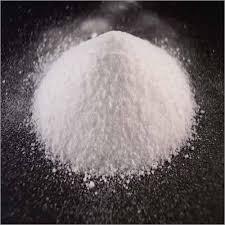
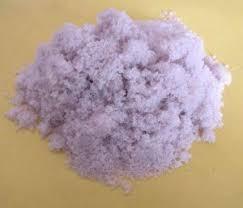
Ferrous borate extra pure is a high-quality iron(II) borate compound (commonly referred to as iron(II) borate or ferrous borate), used predominantly in laboratory and industrial settings for applications that demand high purity standards. It typically appears as a fine, air-sensitive solid and is valued for its chemical stability under controlled conditions. The compound features a high degree of purity, making it especially suitable for analytical work, advanced research, and select industrial processes.
Product Description for Website
Ferrous borate extra pure (Iron(II) borate) is a premium-grade inorganic salt prepared to strict purity standards, ensuring low levels of contaminants and accurate stoichiometry for scientific and technical applications. The product is carefully processed and packaged to maintain its chemical integrity and support reliable results in laboratory analysis and synthesis.
Synonyms: Iron(II) borate, Ferrous borate
Chemical Formula: Fe(BO2)2 (hydrated forms and other stoichiometries possible)
Appearance: Pale solid, may be air-sensitive
Grade: Extra pure (analytical/research grade)
Applications: Used in specialized laboratory analyses, catalyst systems, advanced inorganic synthesis, and as a starting material in certain industrial applications where high purity is critical.
Key Features
High purity and controlled chemical analysis for reliable, reproducible results
Packaged with minimal contamination risk and maximum shelf-life
Suitable for use in chemical research, formulation, and manufacturing at the analytical level
Safety & Handling
Ferrous borate is generally stable under typical laboratory conditions but should be handled with care as it may be sensitive to atmospheric moisture and air. Use standard personal protective equipment and store in a tightly sealed container in a cool, dry environment.
This concise description is suitable for use as a base product summary or catalog entry for e-commerce or laboratory supply websites, ensuring clarity for research and procurement professionals.
Ferrous borate extra pure is a high-quality iron(II) borate compound (commonly referred to as iron(II) borate or ferrous borate), used predominantly in laboratory and industrial settings for applications that demand high purity standards. It typically appears as a fine, air-sensitive solid and is valued for its chemical stability under controlled conditions. The compound features a high degree of purity, making it especially suitable for analytical work, advanced research, and select industrial processes.
Product Description for Website
Ferrous borate extra pure (Iron(II) borate) is a premium-grade inorganic salt prepared to strict purity standards, ensuring low levels of contaminants and accurate stoichiometry for scientific and technical applications. The product is carefully processed and packaged to maintain its chemical integrity and support reliable results in laboratory analysis and synthesis.
Synonyms: Iron(II) borate, Ferrous borate
Chemical Formula: Fe(BO2)2 (hydrated forms and other stoichiometries possible)
Appearance: Pale solid, may be air-sensitive
Grade: Extra pure (analytical/research grade)
Applications: Used in specialized laboratory analyses, catalyst systems, advanced inorganic synthesis, and as a starting material in certain industrial applications where high purity is critical.
Key Features
High purity and controlled chemical analysis for reliable, reproducible results
Packaged with minimal contamination risk and maximum shelf-life
Suitable for use in chemical research, formulation, and manufacturing at the analytical level
Safety & Handling
Ferrous borate is generally stable under typical laboratory conditions but should be handled with care as it may be sensitive to atmospheric moisture and air. Use standard personal protective equipment and store in a tightly sealed container in a cool, dry environment.
This concise description is suitable for use as a base product summary or catalog entry for e-commerce or laboratory supply websites, ensuring clarity for research and procurement professionals.
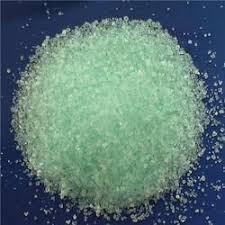
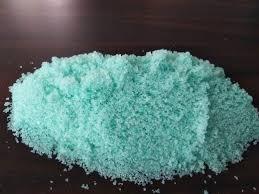
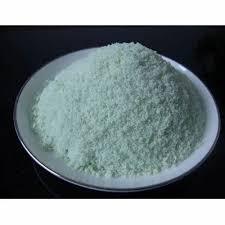
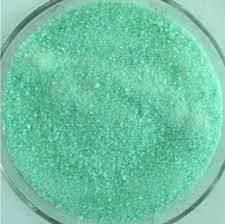
Ferrous Ammonium Sulphate Extra Pure (also known as Ammonium Iron(II) Sulfate Hexahydrate or Mohr's Salt) is a pale green to blue-green crystalline solid with the chemical formula FeSO4(NH4)2SO4·6H2O. It is supplied in extra pure grade with high chemical purity, typically 98.5% and above, suitable for analytical and research applications requiring precise and reliable chemical reagents.
Description for Website
Ferrous Ammonium Sulphate Extra Pure is a high-purity crystalline compound of ammonium, iron(II), and sulfate ions, stabilized as a hexahydrate. It is widely used as a primary standard in analytical chemistry for redox titrations due to its stability against oxidation compared to regular iron(II) salts. Its light blue-green crystals are odorless and dissolve readily in water. This reagent is also utilized in dosimetry for measuring gamma radiation exposure, nanomaterials synthesis, and medical applications for iron deficiency treatment.
Key Features
Chemical formula: FeSO4(NH4)2SO4·6H2O
Appearance: Pale green to blue-green crystalline powder or crystals
Purity: Extra pure grade (typically ≥98.5%)
Solubility: Highly soluble in water; stable in air due to ammonium sulfate stabilization
Applications: Analytical reagent for redox titrations, primary standard, dosimetry, nanomaterial synthesis, and medical use as an iron supplement
Handling: Store in a cool, dry place protected from light; sensitive to air oxidation but more stable than simple ferrous sulfate
Safety and Stability
Extra pure ferrous ammonium sulfate is stable under recommended storage conditions but is sensitive to light and air over long periods. Proper storage and handling practices are recommended to maintain reagent quality.
This description provides a professional summary suitable for product listings, catalogs, or websites targeting laboratory and industrial customers who require high-purity ferrous ammonium sulfate for precise chemical applications.
Ferric Sulphite is a rarely encountered iron(III) compound with the tentative chemical formula Fe2(SO3)3; however, iron(III) sulphite is not widely found or characterized due to its instability—most iron(III) salts of sulfur-based oxyanions exist either as sulphate (Fe2(SO4)3) or as mixed oxidation state species. Reliable sources and common laboratory catalogs often list ferric sulphate (Fe2(SO4)3) instead, which is a well-characterized, yellow-brown solid used in water treatment and as a coagulant.
Ferric Sulphite: Chemical Highlights
Proposed formula: Fe2(SO3)3
Iron oxidation state: +3
Sulphite ion: SO3^2−
Appearance: Not well established; typically iron(III) sulphite would be unstable and decompose, possibly forming iron(III) oxides and sulfur dioxide.
Ferric Sulphate (Reference Standard Compound)
Formula: Fe2(SO4)3
Molar mass: 399.88 g/mol
Appearance: Yellow-brown crystalline solid
Solubility: Soluble in water, insoluble in ethanol and acetone
Used for: Water purification, dyeing, as a coagulant, and in laboratory applications.
For practical and catalog purposes, ferric sulphate (Fe2(SO4)3) is typically listed and supplied instead of ferric sulphite, as the latter has little commercial or laboratory use due to its marked instability and potential for decomposition.
Ferric sulphate (Iron(III) sulfate), with the chemical formula Fe2(SO4)3, is a yellow-brown inorganic salt commonly used in various industrial and medical applications. It appears as a crystalline solid or powder and is soluble in water. Ferric sulphate functions primarily as a coagulant and flocculating agent in wastewater and sewage treatment, effectively removing suspended particles and pollutants. It is also used as a mordant in the textile industry for dyeing and printing, enhancing color vibrancy and fastness.
In medicine, ferric sulphate serves as a hemostatic agent, particularly in dentistry, where it helps control bleeding during procedures by forming ferric ion-protein complexes that seal damaged blood vessels. It also has antimicrobial properties and is used in dermatology and wound care.
Beyond these, ferric sulphate is employed in metal treatment and pickling, especially for aluminum and steel, and in pigment manufacturing. It is valued for its oxidative properties and effectiveness over a broad pH range. Proper storage is necessary as solutions can be corrosive and potentially stain materials.
Key Features:
Chemical formula: Fe2(SO4)3
Appearance: Yellow-brown crystalline solid or powder
Uses: Water treatment, textile dyeing, medical hemostatic agent, metal pickling, pigment production
Properties: Soluble in water, acidic, corrosive, oxidative
Safety: Irritant, handle with care and store in dry conditions
This description provides a comprehensive summary suitable for product listings, technical catalogs, or educational resources targeting industrial, laboratory, and medical users.
Ferric Phosphate extra pure is a high-purity inorganic compound of iron in the +3 oxidation state combined with phosphate ions, with the chemical formula FePO4. It is typically found as a pale beige to yellowish-white orthorhombic crystalline powder that is odorless and slightly soluble in water but soluble in mineral acids. This compound is stable, non-toxic, and widely used as an iron source in dietary supplements, food fortification, and as a mineral feed additive.
Ferric phosphate is commercially produced through controlled chemical reactions between iron(III) salts (such as ferric chloride or ferric citrate) and phosphate sources, followed by purification steps to ensure high purity and consistent particle size. It has applications in fertilizers, feed additive formulations, pharmaceuticals, and environmental control processes such as wastewater treatment. The compound is stable at room temperature and has a high melting point near 1000°C.
Key Details for Website Description
Chemical Name: Ferric Phosphate (Iron(III) Phosphate)
Chemical Formula: FePO4 (anhydrous), often with hydration (FePO4·xH2O)
Appearance: Pale beige to yellowish-white crystalline powder
Purity: Extra pure grade, suitable for analytical, pharmaceutical, and industrial uses
Solubility: Slightly soluble in water, soluble in mineral acids
Applications: Mineral supplements, food additives, fertilizer components, wastewater treatment, pharmaceuticals
Properties: Stable, non-toxic, odorless, high melting point (~1000°C)
Handling: Store in a cool, dry place under inert atmosphere to preserve quality
This description can be used for product catalogs, technical datasheets, and e-commerce platforms catering to laboratory suppliers, pharmaceutical manufacturers, and agricultural sectors.
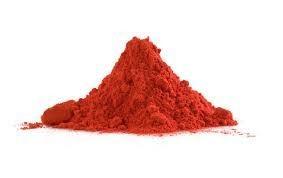
Ferric Oxide Red (Iron Oxide Red) EP (Extra Pure) is a high-quality inorganic compound with the chemical formula Fe2O3. It appears as a red to reddish-brown odorless powder with a crystalline structure. This compound has a melting point of approximately 1565°C and a density of about 5.24 g/cm³. It is virtually insoluble in water but soluble in warm hydrochloric acid and slightly soluble in sulfuric acid.
Ferric oxide red is commonly used as a pigment (Pigment Red 101) due to its excellent color stability, durability, and non-toxicity. It also finds applications in cosmetics, coatings, plastics, construction materials, and as a polishing agent. The extra pure grade ensures minimal impurities, making it suitable for sensitive industrial and laboratory applications.
Key Properties:
Chemical Formula: Fe2O3
Appearance: Red to reddish-brown powder
Purity: Extra pure grade, typically >94%
Melting Point: 1565°C
Density: 5.24 g/cm³
Solubility: Negligible in water (<0.1%)
Odor: Odorless
Usage: Pigment, coating, cosmetic, construction, and polishing agent
Additional Information:
Ferric oxide red is stable, non-combustible, and safe under normal handling conditions.
It is widely preferred for its superior coloring properties and environmental safety compared to organic pigments.
This concise description is suitable for inclusion in product catalogs, technical datasheets, or e-commerce listings for specialized inorganic pigments and chemical reagents.
Ferric Oxalate is an inorganic coordination compound with the chemical formula
Fe
2
(
C
2
O
4
)
3
Fe
2
(C
2
O
4
)
3
. It commonly exists in hydrated forms such as the tetrahydrate and hexahydrate. Ferric oxalate is characterized by pale yellow to lime green crystalline solids depending on hydration. It is odorless and has limited solubility in water, approximately 0.22 g/100 mL at 25°C. The iron(III) centers exhibit octahedral coordination geometry with bridging oxalate ligands acting as chelating groups.
Ferric oxalate is widely used as a photographic sensitizer, an analytical reagent, and in chemical research involving coordination chemistry. It decomposes thermally to iron(III) oxide and carbon dioxide at around 365°C. The compound is stable under normal conditions but can undergo slow hydrolysis in aqueous acidic media.
Key Information:
Chemical formula:
Fe
2
(
C
2
O
4
)
3
Fe
2
(C
2
O
4
)
3
Molecular weight: ~375.75 g/mol
Appearance: Pale yellow to lime green crystalline solid (hydrated)
Solubility: Slightly soluble in water
Coordination geometry: Octahedral around Fe(III)
Applications: Photographic chemicals, analytical reagent, coordination chemistry studies
Thermal decomposition: ~365°C to iron(III) oxide and carbon dioxide
This information suits product catalogs or scientific descriptions for laboratory chemicals, highlighting its purity and functional uses in research and industry.
Ferric Nitrite (chemical formula Fe(NO2)3) is an iron(III) compound where iron is in the +3 oxidation state and is bonded to nitrite ions (NO2−). It is less commonly encountered than ferric nitrate and is typically characterized as an unstable, pale yellow to orange crystalline solid or solution. The compound is soluble in water and may decompose relatively quickly due to the instability of the nitrite ion under oxidative conditions.
Ferric nitrite is mainly of interest in chemical research and specialized applications involving coordination chemistry or nitrite-based reactions. It is not widely available commercially compared to other iron salts like ferric nitrate or ferric sulfate.
Key Details:
Chemical formula: Fe(NO2)3
Appearance: Pale yellow to orange crystals or solution
Solubility: Soluble in water
Stability: Relatively unstable, decomposes under light/heat
Applications: Research chemical, reagent in nitrite coordination studies
Because ferric nitrite is a less common and less stable iron(III) salt, specific commercial grades like “extra pure” may not be readily available or widely documented. Where used, it requires careful handling with proper storage conditions to prevent decomposition.
This summary serves as a precise description for research or academic references involving ferric nitrite.
Ferric Nitrate Extra Pure is a high-purity iron(III) nitrate compound with the chemical formula Fe(NO3)3, commonly available as the nonahydrate form Fe(NO3)3·9H2O. It appears as pale violet to colorless crystalline solid, odorless, and highly soluble in water, alcohol, and acetone. The compound is deliquescent, meaning it can absorb moisture from the air, and decomposes at around 47°C.
Description for Website
Ferric Nitrate Extra Pure is an inorganic iron salt in the +3 oxidation state, supplied in extra pure grade suitable for analytical, industrial, and synthesis applications requiring controlled composition and minimal impurities. It functions as a strong oxidizing agent and is widely used in metal etching, wastewater treatment, catalyst preparation, and laboratory reagent formulations. This compound is stable under recommended storage but sensitive to heat and moisture.
Key Features
Chemical formula: Fe(NO3)3 (nonahydrate form Fe(NO3)3·9H2O)
Appearance: Pale violet to colorless crystalline solid
Purity: Extra pure grade for research and industrial use
Solubility: Highly soluble in water, alcohol, and acetone
Properties: Strong oxidizer, deliquescent, decomposes at 47°C
Applications: Metal etching, wastewater treatment, catalysis, laboratory reagent
Storage: Keep in airtight container in cool, dry conditions
This summary provides a technical yet clear product profile suitable for e-commerce listings, chemical catalogs, and vendor datasheets aiming at laboratory and industrial clients.
Ferric Iodide (Iron(III) iodide), with the chemical formula FeI3, is an iron(III) compound bonded to three iodide ions. It is a relatively rare and less stable compound compared to other iron halides. Ferric iodide appears as a dark-colored solid and has a molecular weight of approximately 436.56 g/mol.
This compound is sensitive to moisture and air, decomposing easily, which limits its commercial availability and practical applications. It is mainly of interest in academic research and specialized chemical syntheses involving iron halide complexes.
Key Points:
Chemical formula: FeI3
Molecular weight: 436.56 g/mol
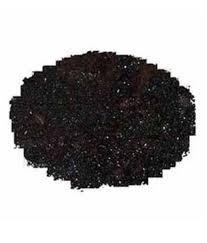
Appearance: Dark solid (usually dark brown to black)
Stability: Moisture-sensitive, decomposes on exposure to air
Usage: Primarily research and specialized inorganic synthesis
Handling: Requires dry, inert atmosphere storage to maintain purity
Due to its instability and rarity, ferric iodide is seldom encountered outside research laboratories and is not commonly stocked in commercial chemical catalogs. This summary is suitable for scientific purposes or niche laboratory chemical descriptions.
Ferric Fluoride (Iron(III) fluoride), with the chemical formula FeF3, is an inorganic compound appearing as a white to pale green crystalline solid. It is thermally stable with a high melting point of about 1000°C and has a density of approximately 3.87 g/cm³. Ferric fluoride is insoluble in alcohol, ether, and benzene, and slightly soluble in water and dilute hydrofluoric acid.
Ferric fluoride exhibits a rhombohedral crystal structure with octahedral coordination around the iron(III) centers. It is used primarily in materials science for fluoride-based ceramics and glasses, as well as a catalyst in certain organic synthesis reactions and cross-coupling processes. Due to its corrosive nature and fluoride content, it requires careful handling and storage in a cool, dry, and well-ventilated area.
Key Features:
Chemical formula: FeF3
Appearance: White to pale green crystalline powder
Melting point: ~1000°C
Density: 3.87 g/cm³
Solubility: Insoluble in alcohol, ether, benzene; slightly soluble in water and hydrofluoric acid
Uses: Ceramic and glass production, organic synthesis catalyst, material science research
Safety: Corrosive, causes skin and eye irritation; handle with appropriate PPE and storage conditions
This description is suitable for industrial, laboratory, and e-commerce product listings requiring technical details about ferric fluoride.