

Description
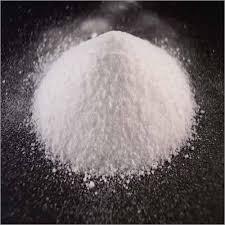
Aluminium (metal) powder is a fine, silvery-gray powder composed of small particles of elemental aluminium (chemical symbol: Al, CAS Number: 7429-90-5).
Chemical Description
Formula: Al (elemental aluminium).
Appearance: Light, silvery-white to gray, odorless powder.
Purity: Commercial grades range from 99% to 99.7% pure, with traces of iron, silicon, copper, and zinc as minor impurities.
Particle Shape: Available as spherical, flake, or irregular particles; flake and spherical grades are common for different uses.
Properties
Lightweight and conductive: Aluminium powder is highly conductive both thermally and electrically, though oxide-coated surfaces reduce conductivity compared to bulk aluminium.
Highly reactive: The powder is much more reactive than bulk aluminium, especially freshly formed particles, and can combust in air or react with water to release hydrogen.
Thermal conductivity: 100–170 W/m·K (lower than the 237 W/m·K of bulk aluminium).
Melting point: 660°C (as for bulk aluminium).
Uses
Metallurgy: Used in thermite reactions, production of ferroalloys, and as an alloying agent.
Chemical industry: Acts as a catalyst and reducing agent in various reactions.
Explosives and pyrotechnics: Key ingredient in fireworks, explosives, and rocket propellants because of its high energy release when oxidized.
Paints and coatings: Provides metallic finishes and increases UV and corrosion resistance.
Construction: Used in aerated concrete (AAC blocks) to create lightweight materials.
Electronics and additive manufacturing: Used in printed electronics, conductive adhesives, and 3D metal printing.
Safety
Flammable and explosive: Fine aluminium powder is classified as a combustible dust and flammable material, requiring careful storage and handling to prevent ignition.
Toxicity: Generally non-toxic with short-term exposure, but inhalation of dust should be avoided.
Let me know if you need a catalog-style specification or further details for a specific application.