
Description
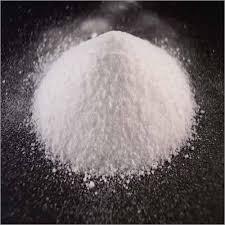
Dextrose agar refers to a type of microbiological growth medium that contains dextrose (glucose) as a key nutrient source, along with agar as a solidifying agent. It is widely used to cultivate fungi, yeasts, and other heterotrophic microorganisms, offering an energy source that supports their growth.
Some common types of dextrose agar media include:
Potato Dextrose Agar (PDA): Made from dehydrated potato infusion and 20 g/L dextrose with 15-20 g/L agar. Its slightly acidic pH (~5.6 or sometimes lowered to 3.5 with tartaric acid) favors fungal growth while inhibiting bacteria. It optionally contains antibacterial agents like chloramphenicol. PDA encourages luxuriant fungal growth and is used to isolate fungi and yeasts from various samples.
Sabouraud Dextrose Agar (SDA): Composed of peptones (animal tissue digests) 10 g/L, dextrose 40 g/L, and agar 15 g/L, adjusted to a pH of about 5.6. It is mainly used to grow dermatophytes, fungi, and yeasts, with antibacterial agents added to inhibit bacteria. The high dextrose concentration and low pH optimize fungal growth.
Yeast Dextrose Agar: Contains yeast extract 10 g/L, dextrose 10 g/L, and agar 15 g/L. The yeast extract provides nitrogen and growth factors, while dextrose supplies energy for microbial growth.
Dextrose agar media are prepared by dissolving the ingredients in distilled water, boiling to dissolve the agar, sterilizing by autoclaving, and pouring into plates. These media support the selective cultivation and morphological analysis of fungi and related microbes in clinical, food, cosmetic, and environmental microbiology.
Thus, dextrose agar is characterized by its dextrose content serving as a carbohydrate energy source, agar as a solidifying agent, a slightly acidic pH to inhibit bacteria, and selective additives in some variants to encourage fungi growth while suppressing contaminant bacteria.