

Description
Diphenylamine extra pure is a high-purity grade of diphenylamine suitable for analytical and research applications. It is supplied as a crystalline organic solid with typical assay ≥99% and is used mainly as a reagent, redox indicator, and antioxidant in laboratory and industrial settings.
Product overview
Chemical name: Diphenylamine
Synonyms: N-phenylbenzenamine, N-phenylaniline, anilinobenzene, DPA.
CAS number: 122-39-4.
Grade: Extra pure / AR / ACS-type, typical purity around 99%.
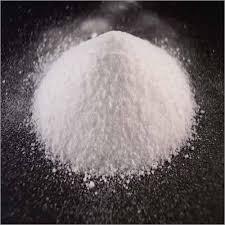
Typical appearance: White to pale yellow crystalline powder or solid, sometimes tan on aging.
Odor: Mild, amine-like.
Chemical properties
Molecular formula: C₁₂H₁₁N (often written as
(
C
6
H
5
)
2
N
H
(C
6
H
5
)
2
NH).
Molecular weight: 169.23 g/mol.
Melting point: about 52–54 °C.
Boiling point: about 302 °C at 760 mmHg.
Solubility: Very low in water (~0.03–0.05 g/L), but soluble in alcohol and readily soluble in benzene, ether and many organic solvents.
Uses and applications
Employed as an analytical reagent and redox indicator in various titrations.
Used as an antioxidant and stabilizer in lubricants, rubber, and plastics.
Also used in dye and pigment chemistry and, historically, as a post-harvest treatment to control superficial scald in stored apples (not for consumer use as such in a lab-grade product).
Storage and safety (for catalogue text)
Storage: Store tightly closed at room temperature in a cool, dry, well-ventilated place; protect from light and ignition sources.
Hazard notes (short form): Harmful if swallowed, causes serious eye damage, may cause organ damage on prolonged exposure, and very toxic to aquatic life; handle with appropriate PPE and avoid environmental release.
Intended use: For laboratory and industrial use only; not for drug, food, or household use.