

Hyderabad
08048036175
+919848399491
General Lab Supplies by MNC CHEMICALS SURGICALS

Earthworm: Digestion, Skin & Excretion (55x90cm)

INR 201
In stockcod available
Phone Number

08048036175

Please keep 0 before dialling the number.

Email Address mnc.naveen@gmail.com

Mon-Thu: 10 AM - 2 PM • Fri: 3 PM - 7AM

Address Correspondence Address: Shop No. 20, 2nd Floor, Srirama Tower, Bogulkunta, Telangana

Hyderabad, India, 500001
Description

The “Earthworm: Digestion, Skin & Excretion” (55×90 cm) educational chart provides labeled diagrams and concise notes covering the structure and functions of the earthworm’s digestive system, skin adaptations, and excretory organs, supporting in-depth zoology and physiology lessons.​ Digestive System Alimentary Canal: A straight tube running through the body, differentiated into mouth, buccal cavity, pharynx, esophagus, crop (storage), gizzard (grinding), stomach, and intestine. Food is ingested, lubricated with mucus, ground in the gizzard, and chemically digested in the intestine by enzymes like protease, amylase, lipase, cellulase, and chitinase.​ Absorption: The typhlosole (internal fold of the intestine) increases surface area for absorption. Digested nutrients are absorbed in the intestine, and undigested matter is expelled as worm castings through the anus.​ Digestive Glands: Includes pharyngeal, gastric, and intestinal glands that release essential enzymes for food breakdown.​ Skin Structure Body Wall: Covered by a thin cuticle, underlain by a one-cell-thick epidermis and layers of muscle.​ Respiration: The moist, vascularized skin serves as the main respiratory organ—O₂ diffuses in, CO₂ out—so a wet habitat is essential for survival.​ Cutaneous Adaptation: Mucus maintains surface moisture and aids gas exchange.​ Excretory (Nephridial) System Nephridia Types: Segmentally arranged in most body segments, including septal, pharyngeal, and integumentary nephridia. Septal nephridia excrete waste into the coelom, pharyngeal nephridia open into the alimentary canal, and integumentary nephridia release waste directly to the outside through nephridiopores.​ Function: Nephridia collect wastes from coelomic fluid and blood, filter it, and expel nitrogenous waste (mainly ammonia and urea) either into the gut or directly out. This is functionally parallel to vertebrate kidneys.​ This chart is an essential resource for understanding the functional biology of earthworms and reinforces practical knowledge of invertebrate organ systems.​

Model No. N-C435

Other Products

view all

6814772a5d263414004dd4a4 Card 2

product image
Laboratory Chemicals

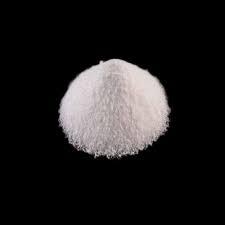
Ferrous borate extra pure is a high-quality iron(II) borate compound (commonly referred to as iron(II) borate or ferrous borate), used predominantly in laboratory and industrial settings for applications that demand high purity standards. It typically appears as a fine, air-sensitive solid and is valued for its chemical stability under controlled conditions. The compound features a high degree of purity, making it especially suitable for analytical work, advanced research, and select industrial processes.​ Product Description for Website Ferrous borate extra pure (Iron(II) borate) is a premium-grade inorganic salt prepared to strict purity standards, ensuring low levels of contaminants and accurate stoichiometry for scientific and technical applications. The product is carefully processed and packaged to maintain its chemical integrity and support reliable results in laboratory analysis and synthesis.​ Synonyms: Iron(II) borate, Ferrous borate Chemical Formula: Fe(BO2)2 (hydrated forms and other stoichiometries possible) Appearance: Pale solid, may be air-sensitive Grade: Extra pure (analytical/research grade) Applications: Used in specialized laboratory analyses, catalyst systems, advanced inorganic synthesis, and as a starting material in certain industrial applications where high purity is critical.​ Key Features High purity and controlled chemical analysis for reliable, reproducible results Packaged with minimal contamination risk and maximum shelf-life Suitable for use in chemical research, formulation, and manufacturing at the analytical level​ Safety & Handling Ferrous borate is generally stable under typical laboratory conditions but should be handled with care as it may be sensitive to atmospheric moisture and air. Use standard personal protective equipment and store in a tightly sealed container in a cool, dry environment.​ This concise description is suitable for use as a base product summary or catalog entry for e-commerce or laboratory supply websites, ensuring clarity for research and procurement professionals.​

6814772a5d263414004dd4a4 Card 2

product image
Laboratory Chemicals

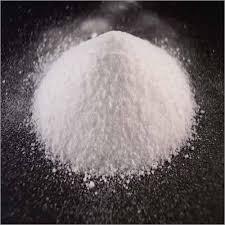
Ferrous borate extra pure is a high-quality iron(II) borate compound (commonly referred to as iron(II) borate or ferrous borate), used predominantly in laboratory and industrial settings for applications that demand high purity standards. It typically appears as a fine, air-sensitive solid and is valued for its chemical stability under controlled conditions. The compound features a high degree of purity, making it especially suitable for analytical work, advanced research, and select industrial processes.​ Product Description for Website Ferrous borate extra pure (Iron(II) borate) is a premium-grade inorganic salt prepared to strict purity standards, ensuring low levels of contaminants and accurate stoichiometry for scientific and technical applications. The product is carefully processed and packaged to maintain its chemical integrity and support reliable results in laboratory analysis and synthesis.​ Synonyms: Iron(II) borate, Ferrous borate Chemical Formula: Fe(BO2)2 (hydrated forms and other stoichiometries possible) Appearance: Pale solid, may be air-sensitive Grade: Extra pure (analytical/research grade) Applications: Used in specialized laboratory analyses, catalyst systems, advanced inorganic synthesis, and as a starting material in certain industrial applications where high purity is critical.​ Key Features High purity and controlled chemical analysis for reliable, reproducible results Packaged with minimal contamination risk and maximum shelf-life Suitable for use in chemical research, formulation, and manufacturing at the analytical level​ Safety & Handling Ferrous borate is generally stable under typical laboratory conditions but should be handled with care as it may be sensitive to atmospheric moisture and air. Use standard personal protective equipment and store in a tightly sealed container in a cool, dry environment.​ This concise description is suitable for use as a base product summary or catalog entry for e-commerce or laboratory supply websites, ensuring clarity for research and procurement professionals.​

6814772a5d263414004dd4a4 Card 2

product image
Laboratory Chemicals

Ferrous Ammonium Sulphate Extra Pure (also known as Ammonium Iron(II) Sulfate Hexahydrate or Mohr's Salt) is a pale green to blue-green crystalline solid with the chemical formula FeSO4(NH4)2SO4·6H2O. It is supplied in extra pure grade with high chemical purity, typically 98.5% and above, suitable for analytical and research applications requiring precise and reliable chemical reagents.​ Description for Website Ferrous Ammonium Sulphate Extra Pure is a high-purity crystalline compound of ammonium, iron(II), and sulfate ions, stabilized as a hexahydrate. It is widely used as a primary standard in analytical chemistry for redox titrations due to its stability against oxidation compared to regular iron(II) salts. Its light blue-green crystals are odorless and dissolve readily in water. This reagent is also utilized in dosimetry for measuring gamma radiation exposure, nanomaterials synthesis, and medical applications for iron deficiency treatment.​ Key Features Chemical formula: FeSO4(NH4)2SO4·6H2O Appearance: Pale green to blue-green crystalline powder or crystals Purity: Extra pure grade (typically ≥98.5%) Solubility: Highly soluble in water; stable in air due to ammonium sulfate stabilization Applications: Analytical reagent for redox titrations, primary standard, dosimetry, nanomaterial synthesis, and medical use as an iron supplement Handling: Store in a cool, dry place protected from light; sensitive to air oxidation but more stable than simple ferrous sulfate​ Safety and Stability Extra pure ferrous ammonium sulfate is stable under recommended storage conditions but is sensitive to light and air over long periods. Proper storage and handling practices are recommended to maintain reagent quality.​ This description provides a professional summary suitable for product listings, catalogs, or websites targeting laboratory and industrial customers who require high-purity ferrous ammonium sulfate for precise chemical applications.​