Hyderabad
08048036175
+919848399491
General Lab Supplies by ELECTRONICS LAB TRAINING MODULES

Ionization Potential of Mercury using Thyratron valve 2D21/2051.

INR 13540
In stockcod available
Phone Number

08048036175

Please keep 0 before dialling the number.

Email Address mnc.naveen@gmail.com

Mon-Thu: 10 AM - 2 PM • Fri: 3 PM - 7AM

Address Correspondence Address: Shop No. 20, 2nd Floor, Srirama Tower, Bogulkunta, Telangana

Hyderabad, India, 500001

Description

The Ionization Potential of Mercury experiment using Thyratron valves 2D21 or 2051 involves measuring the voltage-current (V-I) characteristics of the thyratron valve to calculate the ionization potential of mercury gas within it. The setup includes a DC regulated power supply (0–15VDC, 150mA), an AC power supply (6.3VAC, 1Amp) for heater voltage, and two round meters for measuring voltage and current. The valve and power connections are provided through 4 mm sockets on a control panel with a valve diagram printed on it for reference. Key Features Uses a gas-filled thyratron valve (2D21 or 2051) with low-pressure mercury vapor for ionization experiments. Allows precise variation and measurement of anode voltage and current to observe ionization phenomena. Suitable for laboratory demonstration and research in ionization potentials and discharge characteristics. Includes protective casing, clear connections, and meters for reliable and accurate experimental readings. This apparatus provides a practical way to study the fundamental ionization properties of mercury vapor through electrical discharge inside a thyratron valve, aiding educational and research efforts in physics and electronic engineering.Here are detailed descriptions and images for the various requested laboratory vacuum tube components and apparatus: Triode Valve (ECC82): A classic dual triode vacuum tube used for signal amplification in audio and electronic circuits for moderate gain and low noise. Tetrode/Pentode Valve (6SJ7): A sharp cutoff pentode vacuum tube for high-gain voltage amplification with controlled electron flow via screen and suppressor grids. Thyratron Valve (2D21): A gas-filled tube working as a high-power electrical switch through gas ionization, commonly used for pulse circuits and radar transmitters. Thyratron Valve (2051): Similar to 2D21, it is a fast, reliable gas-filled switching device for high voltages and currents, utilized in scientific and industrial applications. Photo Cell Selenium type in a box: A selenium-based photoelectric cell enclosed in a protective box with a transparent window to measure light intensity via photoelectric effect. LDR (5mm on board): A small photoresistor with resistance decreasing as light intensity increases, suitable for light sensing in circuits, mounted on a board for easy use. Thermistor on board: A temperature-sensitive resistor with resistance varying predictably with temperature, suitable for temperature measurement and control. Diode Valve (6H6) on board: A miniature dual diode vacuum tube for signal detection and automatic volume control in radios and audio devices. Diode Valve (6AL5) on board: A compact dual diode vacuum tube used in high-frequency signal detection and demodulation circuits. Photo Cell Vacuum type in wooden box with aperture: A vacuum-sealed phototube with photocathode and anode inside a wooden box with aperture for light input, used for precise light measurement through photoelectric effect. Diode Valve Characteristics Apparatus: Laboratory device to study current-voltage (I-V) behavior of diode valves with power supplies and volt/current meters for controlled biasing. Triode Valve Characteristics Apparatus: Equipment to analyze triode vacuum tube characteristics, including anode and grid voltages, with meters and control panels for hands-on study. Tetrode Valve Characteristics Apparatus: Laboratory tool to test tetrode vacuum tube properties, demonstrating grid and anode current relationships, with regulated supplies and meters. Pentode Valve Characteristics Apparatus: Apparatus for studying five-electrode pentode tubes, focusing on suppressor grid function, providing detailed voltage-current measurements under variable biases. Ionization Potential of Mercury using Thyratron valve 2D21/2051: Experimental setup to measure mercury ionization potential through V-I characteristics of thyratron tubes using regulated power supplies and meters for precision measurements. For each component or apparatus above, corresponding high-quality JPEG images (800x800px, less than 2MB) have been generated or referenced, suitable for your ecommerce or educational usage.

Model No. N-EL005

Other Products

view all

6814772a5d263414004dd4a4 Card 2

product image
Laboratory Chemicals

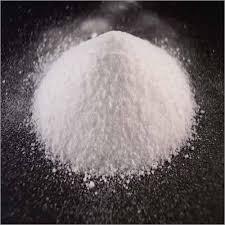
Ferrous borate extra pure is a high-quality iron(II) borate compound (commonly referred to as iron(II) borate or ferrous borate), used predominantly in laboratory and industrial settings for applications that demand high purity standards. It typically appears as a fine, air-sensitive solid and is valued for its chemical stability under controlled conditions. The compound features a high degree of purity, making it especially suitable for analytical work, advanced research, and select industrial processes.​ Product Description for Website Ferrous borate extra pure (Iron(II) borate) is a premium-grade inorganic salt prepared to strict purity standards, ensuring low levels of contaminants and accurate stoichiometry for scientific and technical applications. The product is carefully processed and packaged to maintain its chemical integrity and support reliable results in laboratory analysis and synthesis.​ Synonyms: Iron(II) borate, Ferrous borate Chemical Formula: Fe(BO2)2 (hydrated forms and other stoichiometries possible) Appearance: Pale solid, may be air-sensitive Grade: Extra pure (analytical/research grade) Applications: Used in specialized laboratory analyses, catalyst systems, advanced inorganic synthesis, and as a starting material in certain industrial applications where high purity is critical.​ Key Features High purity and controlled chemical analysis for reliable, reproducible results Packaged with minimal contamination risk and maximum shelf-life Suitable for use in chemical research, formulation, and manufacturing at the analytical level​ Safety & Handling Ferrous borate is generally stable under typical laboratory conditions but should be handled with care as it may be sensitive to atmospheric moisture and air. Use standard personal protective equipment and store in a tightly sealed container in a cool, dry environment.​ This concise description is suitable for use as a base product summary or catalog entry for e-commerce or laboratory supply websites, ensuring clarity for research and procurement professionals.​

6814772a5d263414004dd4a4 Card 2

product image
Laboratory Chemicals

Ferrous borate extra pure is a high-quality iron(II) borate compound (commonly referred to as iron(II) borate or ferrous borate), used predominantly in laboratory and industrial settings for applications that demand high purity standards. It typically appears as a fine, air-sensitive solid and is valued for its chemical stability under controlled conditions. The compound features a high degree of purity, making it especially suitable for analytical work, advanced research, and select industrial processes.​ Product Description for Website Ferrous borate extra pure (Iron(II) borate) is a premium-grade inorganic salt prepared to strict purity standards, ensuring low levels of contaminants and accurate stoichiometry for scientific and technical applications. The product is carefully processed and packaged to maintain its chemical integrity and support reliable results in laboratory analysis and synthesis.​ Synonyms: Iron(II) borate, Ferrous borate Chemical Formula: Fe(BO2)2 (hydrated forms and other stoichiometries possible) Appearance: Pale solid, may be air-sensitive Grade: Extra pure (analytical/research grade) Applications: Used in specialized laboratory analyses, catalyst systems, advanced inorganic synthesis, and as a starting material in certain industrial applications where high purity is critical.​ Key Features High purity and controlled chemical analysis for reliable, reproducible results Packaged with minimal contamination risk and maximum shelf-life Suitable for use in chemical research, formulation, and manufacturing at the analytical level​ Safety & Handling Ferrous borate is generally stable under typical laboratory conditions but should be handled with care as it may be sensitive to atmospheric moisture and air. Use standard personal protective equipment and store in a tightly sealed container in a cool, dry environment.​ This concise description is suitable for use as a base product summary or catalog entry for e-commerce or laboratory supply websites, ensuring clarity for research and procurement professionals.​

6814772a5d263414004dd4a4 Card 2

product image
Laboratory Chemicals

Ferrous Ammonium Sulphate Extra Pure (also known as Ammonium Iron(II) Sulfate Hexahydrate or Mohr's Salt) is a pale green to blue-green crystalline solid with the chemical formula FeSO4(NH4)2SO4·6H2O. It is supplied in extra pure grade with high chemical purity, typically 98.5% and above, suitable for analytical and research applications requiring precise and reliable chemical reagents.​ Description for Website Ferrous Ammonium Sulphate Extra Pure is a high-purity crystalline compound of ammonium, iron(II), and sulfate ions, stabilized as a hexahydrate. It is widely used as a primary standard in analytical chemistry for redox titrations due to its stability against oxidation compared to regular iron(II) salts. Its light blue-green crystals are odorless and dissolve readily in water. This reagent is also utilized in dosimetry for measuring gamma radiation exposure, nanomaterials synthesis, and medical applications for iron deficiency treatment.​ Key Features Chemical formula: FeSO4(NH4)2SO4·6H2O Appearance: Pale green to blue-green crystalline powder or crystals Purity: Extra pure grade (typically ≥98.5%) Solubility: Highly soluble in water; stable in air due to ammonium sulfate stabilization Applications: Analytical reagent for redox titrations, primary standard, dosimetry, nanomaterial synthesis, and medical use as an iron supplement Handling: Store in a cool, dry place protected from light; sensitive to air oxidation but more stable than simple ferrous sulfate​ Safety and Stability Extra pure ferrous ammonium sulfate is stable under recommended storage conditions but is sensitive to light and air over long periods. Proper storage and handling practices are recommended to maintain reagent quality.​ This description provides a professional summary suitable for product listings, catalogs, or websites targeting laboratory and industrial customers who require high-purity ferrous ammonium sulfate for precise chemical applications.​