
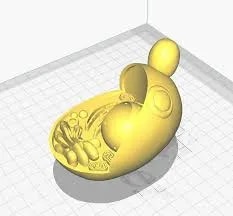
Yeast
Description
Yeast are single-celled fungi that play essential roles in nature, industry, baking, and brewing. The most familiar species is Saccharomyces cerevisiae, widely used in bread and alcohol production.
Structure of Yeast Cell
Shape & Size: Yeast cells are typically oval, spherical, or ellipsoidal, ranging from 3–15 μm in length.
Cell Wall: The outer layer is made of chitin, glucan, and mannan proteins, providing protection and structural support.
Plasma Membrane: Lies just beneath the cell wall and controls the exchange of substances between the cell and its surroundings.
Cytoplasm: Contains typical eukaryotic organelles, including mitochondria (energy production), endoplasmic reticulum, Golgi apparatus, ribosomes, and storage granules (volutin, glycogen, and oil).
Nucleus: Surrounded by a nuclear membrane, it contains the cell’s genetic material.
Vacuole: A prominent, membrane-bound structure that stores water and helps with waste disposal and osmoregulation.
Budding: Yeast cells commonly reproduce asexually by budding, where a small daughter cell forms from the parent cell.
Key Functions & Importance
Fermentation: Yeast convert sugars into alcohol (ethanol) and carbon dioxide—the basis for bread rising and alcohol production.
Food Industry: Widely used in making bread, beer, wine, dairy products, and fermented foods.
Research: Model organisms in genetics, molecular biology, and biotechnology.
Specifications
| Model No. | N-EM0137 |
|---|