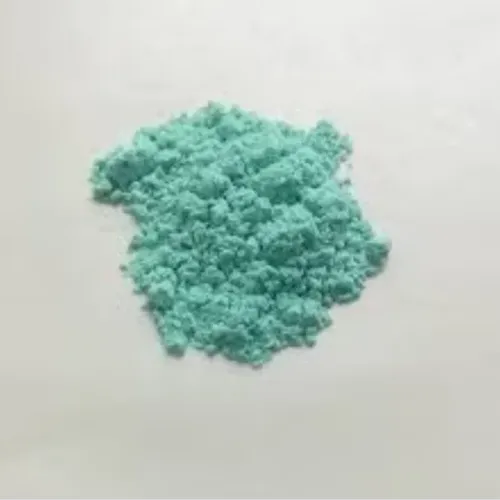

Dextrin Yellow is a versatile chemical widely used in laboratories and various industrial processes where reliable binding, coating, and formulation properties are required. Although it may not receive as much attention as some specialty chemicals, it plays an important role in multiple scientific and manufacturing applications.
Research laboratories, educational institutions, pharmaceutical companies, and industrial quality control laboratories across Hyderabad frequently seek dependable chemical suppliers that provide consistent product quality. Selecting the right grade of Dextrin Yellow helps improve process efficiency and ensures dependable experimental outcomes.
What Is Dextrin Yellow?
Dextrin Yellow is a modified carbohydrate obtained through the controlled processing of starch. It is valued for its adhesive characteristics, solubility, and stability, making it useful in laboratory work as well as industrial production.
Depending on the application, different grades may be available to meet specific technical and analytical requirements.
Where Is Dextrin Yellow Used?
Its versatility allows it to be incorporated into numerous applications, including:
- Laboratory formulations
- Chemical manufacturing
- Textile processing
- Adhesive production
- Paper and packaging industries
- Educational laboratory experiments
- Research and development projects
- Industrial quality testing
Its adaptability makes it an important material for organizations requiring reliable formulation performance.
Benefits of Using High-Quality Dextrin Yellow
Selecting premium-grade material offers several practical advantages:
- Better consistency between batches
- Improved formulation stability
- Reliable laboratory performance
- Easier handling during preparation
- Reduced impurities
- Enhanced compatibility with various formulations
Consistent chemical quality is particularly valuable in laboratories where repeatable results are essential.
Factors to Consider Before Purchasing
Before selecting a supplier, procurement teams should review several important criteria.
These include:
- Product purity
- Packaging integrity
- Batch certification
- Storage recommendations
- Manufacturing consistency
- Technical specifications
- Availability of supporting documentation
Careful evaluation helps laboratories and industrial buyers avoid quality-related issues later in the process.
Proper Storage Recommendations
Like many laboratory chemicals, Dextrin Yellow should be stored appropriately to maintain its quality.
Recommended practices include:
- Keep containers tightly closed.
- Store in a clean, dry location.
- Prevent moisture exposure.
- Protect from excessive heat.
- Follow recommended storage temperatures.
- Rotate stock using expiry guidelines.
Proper storage contributes to longer product stability and dependable laboratory performance.
Why Consistent Supply Matters
Research institutions and industrial laboratories often operate on fixed project timelines. Delays in sourcing laboratory chemicals can interrupt testing schedules and production activities.
Working with an established laboratory chemical supplier helps organizations maintain inventory continuity and reduce procurement challenges. This becomes particularly valuable for pharmaceutical companies, educational institutions, hospitals, and industrial quality control laboratories that require regular chemical supplies.
Supporting Scientific and Industrial Operations
Reliable laboratory chemicals form the foundation of accurate scientific work. Whether used in formulation development, educational experiments, or industrial applications, Dextrin Yellow should be sourced from suppliers that prioritize quality, consistency, and documentation.
Laboratories in Hyderabad looking for dependable laboratory chemicals, scientific equipment, and related supplies often evaluate providers such as MNC Chemicals Surgicals for their comprehensive product range. Additional product information and laboratory procurement resources are available through mncchemicalssurgicals.com, helping organizations make informed purchasing decisions based on their technical requirements.
Using quality-assured laboratory chemicals not only improves operational efficiency but also supports reproducible research, better quality control, and reliable scientific outcomes across multiple industries.
Keywords