Thank you for writing to us. One of our executive will reach back to you through your submitted medium. In case there’s an urgency, feel free to connect over WhatsApp for faster response.
Prefer calling? Dial +918048036175 (International callers) or 08048036175 (Indian callers).
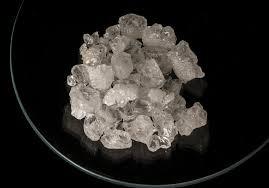
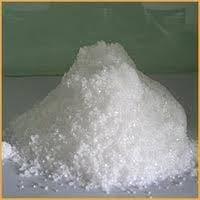
Ammonium Carbonate Lumps refer to the solid, block, or crystalline form of ammonium carbonate, a white or translucent salt with a strong ammonia odor. These lumps are commonly used in laboratory and industrial applications where a convenient and easily handled source of ammonia or a leavening agent is needed.
Physical and Chemical Properties
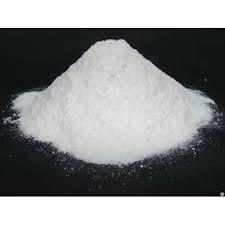
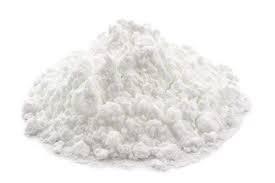
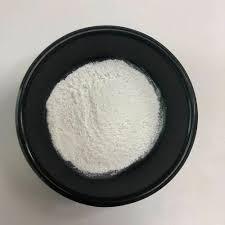
Appearance: White or colorless crystalline lumps or powder, sometimes described as translucent masses of various sizes.
Odor: Strong ammoniacal odor.
Chemical formula:
(
N
H
4
)
2
C
O
3
(NH
4
)
2
CO
3
.
Molecular Weight: 96.09 g/mol.
Solubility: Free flowing and readily soluble in water.
pH (10% solution): Typically around 9.0.
Decomposition: Decomposes upon heating to release ammonia and carbon dioxide gases.
Typical Applications
Used as a leavening agent in baked goods and as baker's ammonia (especially in European recipes), helping to create a light, porous texture.
Acts as a pH adjuster in laboratory solutions and industrial processes.
Constituent of smelling salts due to its strong odor and ability to volatilize quickly.
Used as a source of ammonia in metal treatment and polymer manufacture.
Employed in photographic lens cleaning agents and some analytical chemistry environments.
Occasionally used as bait in agricultural applications to trap certain pests.
Safety and Handling
Non-combustible, but should be handled in well-ventilated areas due to possible ammonia release.
May cause mild irritation if inhaled or ingested in large amounts; classified as harmful if swallowed in concentrated quantities.
Packages are typically supplied in plastic or polypropylene sacks ranging from 25 kg to 1000 kg for industrial use.
Ammonium Bromide purified is a high-purity, white crystalline inorganic compound with the chemical formula
N
H
4
B
r
NH
4
Br. It is the ammonium salt of hydrobromic acid and is highly soluble in water. In its purified or extra pure form, it generally contains 98–99.5% minimum assay, making it suitable for laboratory, pharmaceutical, and analytical use where low impurity levels are required.
Key Features
Physical Properties: White, odorless, crystalline solid; melts at about 452 °C and has a density of 2.43 g/cm³.
Chemical Composition: Ammonium ion (
N
H
4
+
NH
4
+
) and bromide ion (
B
r
−
Br
−
) in a 1:1 ratio.
Solubility: Very soluble in water (97g/100g at 25 °C).
pH: Slightly acidic (pH 5–6.5).
Purity: Minimum 98% (extra pure grades reach 99.5%).
Applications
Used in chemical synthesis as a source of bromide ions, flame retardants, and laboratory reagents.
Common in analytical chemistry, pharmaceuticals, and photographic films.
Serves as a stabilizer in certain imaging and water treatment processes.
Safety
Ammonium Bromide is generally stable but should be handled as a chemical with mild eye irritation hazard. Relevant hazard statements include H319 (causes serious eye irritation).
Ammonium Borate extra pure is a colorless solid chemical compound with the molecular formula generally represented as a borate salt of ammonium. It typically appears as a white crystalline solid and is efflorescent, releasing ammonia upon exposure to air or heat. It has a molecular weight of about 112.93 g/mol.
This compound is commonly used as a buffering agent and flame retardant in laboratories and industrial applications, including fireproof coatings and metallurgy. It helps stabilize pH and improve thermal insulation. Ammonium Borate is also noted for being used as a herbicide, in fireproofing, and in electrical condenser applications.
In its extra pure form, it is expected to have high purity levels suitable for sensitive scientific and industrial use. Safety considerations include reproductive toxicity risks, so proper handling is required.
Key Properties:
Chemical formula: Borate salt of ammonium (e.g., (NH4)B4O7 or variations)
Molecular weight: 112.93 g/mol
Physical form: Colorless, white crystalline solid
Efflorescent, loses ammonia upon exposure
Used as a buffering agent, flame retardant, and in fireproof coatings
Provides pH stabilization and thermal insulation benefits
This description aligns with data from chemical databases and lab supply sources emphasizing its purity, chemical behavior, and typical applications in science and industry.
Ammonium Bisulphate extra pure, also known as ammonium hydrogen sulfate, is a white crystalline inorganic salt with the chemical formula (NH₄)HSO₄, valued for its high purity and efficiency in analytical, industrial, and specialty chemical applications.
Chemical and Physical Properties
Formula: (NH₄)HSO₄
Molar mass: 115.11 g/mol
Appearance: White, crystalline solid
Melting point: Approximately 145–147 °C
Density: ~1.79 g/cm³
Solubility: Highly soluble in water; insoluble in alcohol and acetone
pH (aqueous solution): Acidic
Uses and Applications
Commonly used as an analytical reagent and in sample preparation for laboratory analysis due to its high purity.
Utilized in fertilizers as a source of both nitrogen and sulfate sulfur for crops.
Employed as an acidifier and catalyst in certain chemical syntheses.
Involved in textile and dyeing processes, paper and pulp bleaching, and water treatment.
Occasionally used in making specialty batteries and in cleaning products.
Safety and Handling
Corrosive: Causes severe skin burns and eye damage; handle with protective gloves, safety goggles, and appropriate ventilation.
Releases toxic fumes upon heating or contact with strong bases.
Store in well-sealed containers, away from incompatible substances and moisture.
Ammonium bisulphate extra pure is preferred in laboratory and industrial settings where high purity, reliable acidification, and versatile reactivity are required.
Ammonium bifluoride purified is a highly water-soluble, white crystalline inorganic salt with the formula NH₄HF₂, used widely in industrial applications for its etching, cleaning, and metal treatment properties.
Chemical and Physical Properties
Formula: NH₄HF₂ (ammonium hydrogen difluoride).
Molar mass: 57.04 g/mol.
Appearance: White crystalline solid, often hygroscopic (absorbs moisture from air).
Melting point: 124.6 °C; boils/decomposes ~240 °C.
Density: 1.5 g/cm³.
Solubility in water: Very high (60–156 g/100 mL, depending on temperature).
pH (5% solution): around 3.5 (acidic).
Purity (purified/extra pure): typically ≥98%.
Major Uses and Applications
Glass etching and frosting: Ammonium bifluoride is a powerful etchant for glass and silicates, used in glass, lamp, and optical industries.
Metal treatment and cleaning: Removes oxides, scales, and stains from metal surfaces, and is a cleaning agent for steel, aluminum, and equipment.
Surface polishing: Plays a role in precision cleaning of ceramics and metal parts.
Chemical intermediate: Used in the production of hydrofluoric acid and as a source of fluoride ions for industrial synthesis.
Textiles and dyes: Acts as a mordant and dyeing auxiliary.
Safety and Handling
Highly corrosive and toxic; causes severe skin burns and eye damage.
Releases corrosive hydrogen fluoride vapors when moist or heated—must be handled only with proper protective equipment in well-ventilated conditions.
Hygroscopic: Store in airtight containers, away from acids and moisture.
Non-flammable, but reacts with metals and glass.
Ammonium bifluoride purified is valued for its versatility in industrial etching, cleaning, and processing, but demands careful handling due to its corrosivity and toxicity
Ammonium Bicarbonate is a white, crystalline, inorganic compound with the chemical formula NH₄HCO₃, known for its mild basicity and volatility, making it a versatile leavening agent and laboratory reagent.
Chemical and Physical Properties
Formula: NH₄HCO₃.
Molar mass: 79.06 g/mol.
Appearance: White, crystalline powder with a faint ammonia-like odor.
Solubility: Soluble in water, insoluble in alcohol and most organic solventsents[
Ammonium Benzoate is the ammonium salt of benzoic acid, appearing as a white, odorless, crystalline solid that is highly soluble in water and valued for both industrial and preservative applications.
Chemical and Physical Properties
Chemical formula: C₇H₉NO₂ (often written as C₆H₅COONH₄).
Molar mass: 139.15 g/mol.
Melting point: 192–198 °C (decomposes).
Soluble in water (approx. 14 g/100 mL at 20°C).
pH (10% solution): about 5.0–8.0 (neutral to slightly acidic).
Appears as a white, non-sticky powder or crystalline solid, with a slight ammoniacal odor.
Stable under ordinary conditions; stored in a cool, dry place.
Applications and Uses
Used in industrial and consumer products as a preservative, especially for adhesives, rubber latex, and paper wrappers.
Common as a mild, amine-free flash rust inhibitor in coatings for ferrous metal substrates.
Plays a role in reducing vulcanization time in rubber production, and as an agent in corrosion inhibition or anti-scaling treatments.
Incorporated as a preservative in cosmetics, hair care, and personal care items.
Utilized as an analytical reagent and as a flavoring or food preservative in select regions due to weak antimicrobial properties.
Applies to the electronics sector for electrolytic capacitor production and other specialized chemical synthesis.
Safety and Handling
Considered a low-toxicity substance, but may cause irritation to eyes, skin, and respiratory tract; use standard laboratory precautions.
Environmental hazard in concentrated form; avoid uncontrolled release to the environment.
Shelf life: up to 5 years if stored properly.
Ammonium benzoate’s versatility, solubility, and mild antimicrobial action make it useful in industrial preservation, surface treatment, personal care, and specialty manufacturing sectors.
Ammonium Aluminium Sulphate, also known as ammonium alum, is a double salt of aluminium sulfate and ammonium sulfate, typically encountered as the dodecahydrate with the formula
(
N
H
4
)
A
l
(
S
O
4
)
2
⋅
12
H
2
O
(NH
4
)Al(SO
4
)
2
⋅12H
2
O.
Chemical and Physical Properties
Molecular formula:
(
N
H
4
)
A
l
(
S
O
4
)
2
⋅
12
H
2
O
(NH
4
)Al(SO
4
)
2
⋅12H
2
O.
Molar mass: 453.33 g/mol (dodecahydrate).
Appearance: Large, colorless crystals or white, odorless crystalline powder with astringent taste.
Solubility: Freely soluble in water, insoluble in alcohol.
Melting Point: 93.5 °C (dodecahydrate); decomposition occurs above ~250–280 °C.
Slightly acidic aqueous solution.
Major Uses and Applications
Water purification: Flocculant aiding in the removal of suspended impurities via formation of aluminium hydroxide precipitate.
Textile industry: Used in tanning, dyeing, and fireproofing textiles.
Cosmetics and deodorants: Used as an astringent and antiseptic; a common ingredient in crystal deodorants.
Baking and food: Used in baking powders and as a food additive (firming agent, acidity regulator).
Leather, paper, and pigment industries: Retanning leather, paper sizing, pigment stabilization.
Laboratory: Classical reagent for protein purification by precipitation and in niche analytical applications.
Safety and Handling
Irritant: Can cause irritation if inhaled, ingested, or on skin/eyes.
Emits toxic fumes (NOx, SOx) if decomposed by heat.
Store in a tightly closed container, protected from moisture due to hygroscopic nature.
Ammonium aluminium sulphate is a versatile, water-soluble inorganic salt with wide utility in water treatment, industry, and laboratory processes, prized for its effectiveness, affordability, and relatively low toxicity when handled properly.
Ammonium Acetate Purified is a high-grade, water-soluble, hygroscopic white crystalline solid used across analytical, biochemical, industrial, and agricultural applications.
Chemical and Physical Properties
Chemical formula: CH₃COONH₄ (or NH₄C₂H₃O₂).
Molar mass: 77.08 g/mol.
Appearance: White, odorless, hygroscopic crystalline solid.
Melting point: ~110–114 °C (decomposes).
Readily soluble in water, also soluble in alcohol.
pH (10% solution): around 6.5–7.5.
Major Uses and Applications
Buffer reagent in biochemistry and molecular biology (notably in HPLC and LC-MS for their volatility and low residue).
Used for protein and nucleic acid precipitation and purification protocols.
A mobile phase additive in chromatography (HPLC) and protein mass spectrometry analysis.
Soil testing (for extraction of exchangeable cations and CEC determination).
Used as a biodegradable de-icing agent and in textile and food processing as a pH regulator (food additive INS 264).
Safety and Handling
Hygroscopic: Store in a tightly closed container in a cool, dry place to prevent deliquescence.
Non-flammable, considered environmentally friendly compared to inorganic salts.
Avoid ingestion, inhalation, and contact with skin or eyes; use standard laboratory PPE.
Ammonium Acetate Purified is valued for its high-purity, buffering capacity, and compatibility with sensitive analytical techniques, making it a staple in research and industrial labs.
Ammonia solution 0.888 refers to a concentrated aqueous ammonia with a specific gravity of 0.888 (often rounded to 0.88 or 0.89), which typically corresponds to a 32–35% ammonia (NH₃) by weight solution.
Chemical Properties and Composition
Contains 32–35% ammonia (NH₃) dissolved in water.
Specific gravity of 0.888 at 15–20 °C, which means it is less dense than water.
CAS Number: 1336-21-6.
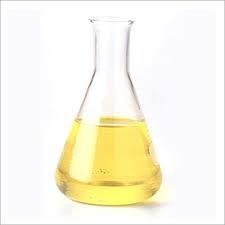
Form: Clear, colorless liquid with a strong, pungent odor.
pH: Very high (strongly alkaline), typically about 12.
Molecular formula: NH₄OH (aqueous ammonia is often simply written as NH₃ in H₂O).
Uses and Applications
Commonly used as a reagent in laboratories, particularly for analytical chemistry and buffer preparation.
Used in industrial processes, chemical manufacturing, water treatment, and cleaning formulations due to its strong alkalinity and ability to dissolve organic materials.
Also applied in agriculture as a nitrogen source, textile production, and metal treatment.
Safety and Handling
Corrosive: Can cause severe skin burns and eye damage.
Toxic: Harmful by inhalation; avoid breathing vapors and ensure good ventilation during use.
Environmental hazard: Toxic to aquatic life; handle and dispose according to local hazardous chemical regulations.
Ammonia solution 0.888 is valued for its high alkalinity and versatility across laboratory, industrial, and cleaning applications, but requires careful handling due to its hazardous nature.
Aluminium tartrate is an odorless, white to off-white crystalline powder that is the aluminum salt of tartaric acid, with the molecular formula
C
12
H
12
A
l
2
O
18
C
12
H
12
Al
2
O
18
and a molecular weight of about 498.18 g/mol. It is sparingly soluble in cold water and readily soluble in hot water and ammonia.
Chemical Properties
Aluminium tartrate consists of aluminum(III) ions complexed with tartrate anions (derived from tartaric acid).
It is odorless, typically appears as a white to off-white powder, and is used for its astringent properties.
The compound’s solubility increases with temperature; it dissolves well in hot water and ammonia, but poorly in cold water.
Uses
Commonly applied as a mordant in textile dyeing, enhancing dye adherence and color fastness.
It is also utilized in some pharmaceutical, cosmetic, and material science applications, where its ability to form stable complexes or act as an astringent is important.
Safety and Handling
Avoid contact with skin, eyes, and clothing; minimize dust generation and inhalation.
Use appropriate personal protective equipment, ensure ventilation, and wash thoroughly after handling.
The product is not flammable, but may form oxides of aluminum and carbon on decomposition.
Stereochemistry
The tartrate ion is chiral, so aluminium tartrate can exist as different stereoisomers, which may influence its chemical behavior and physical properties.
This compound is valued for its chemical stability, role in dyeing and materials chemistry, and potential utility in pharmaceuticals and cosmetics
Aluminium sulphite is an inorganic compound with the formula
A
l
2
(
S
O
3
)
3
Al
2
(SO
3
)
3
, composed of aluminium ions and sulfite ions. It is much rarer and less commonly encountered than aluminium sulphate or sulphide, and is typically referenced in chemical literature, synthesis, or as a theoretical intermediate rather than a widely available reagent.
Key Properties
Chemical formula:
A
l
2
(
S
O
3
)
3
Al
2
(SO
3
)
3
Contains aluminium in the +3 oxidation state and sulfite (
S
O
3
2
−
SO
3
2−
) ions.
Solubility: Expected to be soluble in water, forming mildly acidic solutions.
Not typically available as a pure solid or commercial reagent; often studied or prepared for chemical research.
Preparation and Occurrence
Aluminium sulphite can be produced through the reaction of aluminium salts with sulfite sources, though it is prone to oxidation in the presence of air, resulting in conversion to aluminium sulphate (
A
l
2
(
S
O
4
)
3
Al
2
(SO
4
)
3
). This limits its stability and practical uses.
Applications
Mainly of chemical interest in laboratory synthesis or for study of reactions involving sulphite ions.
No widespread industrial or commercial applications, unlike aluminium sulphate.
Availability
Aluminium sulphite is rarely available from standard chemical suppliers, focusing instead on more stable sulphate or sulphide compounds. Some specialty chemical distributors may list it for laboratory research or custom synthesis in small quantities.
For most industrial and laboratory needs, aluminium sulphate (
A
l
2
(
S
O
4
)
3
Al
2
(SO
4
)
3
) is preferred due to its stability and wide range of applications, including water treatment, paper manufacturing, and analytical chemistry.