Thank you for writing to us. One of our executive will reach back to you through your submitted medium. In case there’s an urgency, feel free to connect over WhatsApp for faster response.
Prefer calling? Dial +918048036175 (International callers) or 08048036175 (Indian callers).
Aluminium sulphide (
A
l
2
S
3
Al
2
S
3
) is an inorganic compound consisting of aluminium and sulfur, primarily used in chemical synthesis, laboratory research, and select industrial processes. It is a grey to yellowish solid recognized for reacting vigorously with water to release hydrogen sulfide gas, which has a characteristic rotten egg odor.
Key Properties
Chemical Formula:
A
l
2
S
3
Al
2
S
3
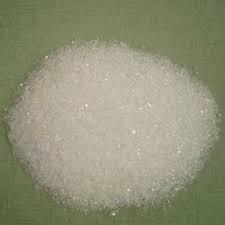
Appearance: Grey, yellowish, or white crystalline solid with a characteristic odor in moist conditions
Molar Mass: 150.158 g/mol
Density: 2.02 g/cm³
Melting Point: 1100°C
Boiling Point: 1500°C
Solubility: Reacts with water, releasing
H
2
S
H
2
S gas
Purity (lab grade): ≥98%
Chemical Behavior and Handling
Aluminium sulphide is highly moisture sensitive, decomposing in the presence of water and humid air to form aluminium hydroxide and hydrogen sulfide gas. It must be handled inside a dry, airtight environment, ideally under a fume hood. Protective gloves and eyewear are advised.
Applications
Laboratory synthesis and chemical research
Generation of hydrogen sulfide for analytical purposes
Used as an additive in lubricants and pigment production in select industrial settings
Occasionally employed in water treatment to precipitate contaminants
Source of sulfur and hydrogen in reactions
Procurement and Availability in India
Lab reagent-grade aluminium sulphide (purity ≥ 98%) is available from laboratory suppliers in India, offered usually in powder form, packaged in airtight containers to ensure stability. Buyers should ensure careful storage, away from moisture and acidic substances.
For reference, common suppliers include Alpha Chemika, Labwale, and other laboratory chemical distributors, often providing Certificates of Analysis (COA) with purity specifications.
Purified aluminium sulphate is typically available with assay purity of around 98% or more. It is commonly supplied in the form of aluminium sulphate hexadecahydrate (Al2(SO4)3·16H2O) and is used as a flocculating agent in water purification, wastewater treatment, paper manufacturing, and other industrial and laboratory applications. The purified grade usually has very low impurities, such as chloride below 0.01% and ammonia below 0.05%, ensuring high quality and consistency.
Key Specifications of Purified Aluminium Sulphate
Chemical formula: Al2(SO4)3·16H2O
Purity: Typically ≥ 98%
Appearance: White to off-white granular or powder form
Low levels of impurities like chloride and ammonia
Molecular weight: ~630.38 g/mol
Common packaging sizes: 500 g, 25 kg, 50 kg bottles or bags
Common Uses
Flocculant in water purification and wastewater treatment to coagulate impurities
Used in the paper industry for improving sizing and brightness
Stabilizer in various industrial processes and sometimes in food-related applications (with certified purity)
Laboratory reagent for analytical and experimental purposes
High purity aluminium sulphate is often sold under grades such as “pure,” “purified,” or “laboratory grade,” with certificates of analysis available for industrial and scientific users.
If you need suppliers or buying options in India, several companies provide purified aluminium sulphate in various pack sizes, purity grades, and packaging types suitable for research labs and industrial use.
Aluminium stearate is an aluminium salt of stearic acid, known chemically as aluminium tristearate, with the formula
Al(C
18
H
35
O
2
)
3
Al(C
18
H
35
O
2
)
3
or
C
54
H
105
AlO
6
C
54
H
105
AlO
6
. It is a fine, white, water-insoluble powder widely used for its lubricating, thickening, gelling, and water-repellent properties in a range of industrial and commercial applications.
Chemical Properties and Composition
Chemical Formula:
Al(C
18
H
35
O
2
)
3
Al(C
18
H
35
O
2
)
3
.
Molecular Weight: 877.39 g/mol.
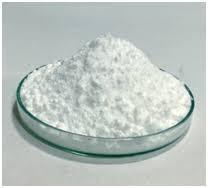
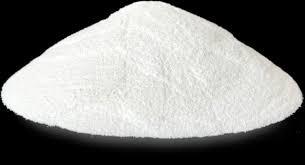
Appearance: Fine, white, odourless and fluffy powder.
Melting Point: Typically 135–170°C.
Solubility: Insoluble in water and ethanol; soluble in benzene, turpentine, mineral oils, and hot organic solvents; soluble in alkali.
Stability: Stable, but decomposes in hot, strong acids.
Uses
Lubricant and Thickener: Commonly used in the plastics, rubber, and grease industries as an internal and external lubricant, and as a thickener in lubricants and greases for stability under heat and mechanical stress.
Paints and Coatings: Functions as a water-repellent, viscosity modifier, pigment dispersant, and gelling agent in alkyd paints and varnishes, improving their durability and performance.
Waterproofing and Cements: Serves as a waterproofing additive for fabrics, ropes, and cements.
Pharmaceuticals and Cosmetics: Employed as a thickening agent, binder, stabilizer, and emulsifier in cosmetic creams, ointments, lotions, and pharmaceutical tablets.
Other Industrial Uses: Used as a defoaming agent in drilling fluids, as a retarder for dental impression materials, a flatting agent, and as a water-repellent soap for treating stone and bricks.
Technical and Safety Highlights
Form/Handling: Forms a plastic mass when heated; safe under normal handling but should be avoided in high concentrations or ingestion.
Ash Content: Varies by grade, typically 7.5–11.5% for technical products.
Additional Properties: High hydrophobicity, mild antiseptic/aesthetic properties, and good compatibility with other formulation ingredients.
Aluminium stearate is valued for its versatility, stability, and multifaceted utility across industries such as plastics, cosmetics, paints, and construction materials.
Aluminium potassium sulphate extra pure, commonly known as potash alum, is a refined double salt with the formula
KAl(SO
4
)
2
⋅
12
H
2
O
KAl(SO
4
)
2
⋅12H
2
O. It appears as a colorless or white, glassy crystalline solid, highly soluble in water and widely used for its purity in analytical, pharmaceutical, food, and industrial applications.
Chemical Properties and Physical Characteristics
Formula:
KAl(SO
4
)
2
⋅
12
H
2
O
KAl(SO
4
)
2
⋅12H
2
O (dodecahydrate).
CAS Number: 7784-24-9.
Molar Mass: 474.39 g/mol (dodecahydrate).
Appearance: White, crystalline, odorless, slightly sweet and astringent taste.
Density: 1.725 g/cm³.
Solubility: Highly soluble in water; insoluble in alcohol.
Melting Point: Liquefies at 92°C in its own water of crystallization.
pH: Acidic aqueous solution; changes blue litmus to red.
Assay (extra pure): Typically ≥99% with minimal contamination of heavy metals or chloride/iron ions.
Applications
Analytical Reagent: Used in gravimetric and colorimetric analysis in laboratories.
Water Treatment: Acts as a flocculant and coagulant for purifying drinking water.
Food Industry: Utilized as an additive and preservative in pickles, baking, and clarifying agents.
Cosmetics and Medical: Employed in pharmaceutical preparations, antiperspirants, and topical medicinal uses for wound treatment and as an astringent.
Textiles, Dyeing, and Tanning: Used as a mordant in dyeing textiles, for tanning leather, and as a fixative for pigments.
Culinary and Household: Common traditional use as 'fitkari' for domestic water purification, mouth rinses, and as a deodorant.
Other: Research and industrial processes requiring high grades of purity, such as electronics and catalysis.
Technical and Safety Highlights
Crystalline Form: Regular octahedral glassy crystals.
Decomposition: When heated to high temperatures, loses water and decomposes to alumina and potassium sulphate.
Storage: Stable when kept dry; absorbs moisture.
Safety: Generally recognized as safe for handling under standard laboratory and industrial conditions.
Aluminium potassium sulphate extra pure (potash alum) is valued for its consistent purity and versatility across analytical, food, pharmaceutical, water treatment, and textile applications.
Aluminium phosphate extra pure refers to a highly refined grade of aluminium phosphate (
AlPO
4
AlPO
4
), a white, odorless, crystalline or amorphous powder widely used in laboratory, industrial, and pharmaceutical settings for its purity and consistent performance.
Chemical Properties and Composition
Chemical Formula:
AlPO
4
AlPO
4
.
Molecular Weight: 121.95 g/mol.
Appearance: White crystalline or amorphous powder; odorless.
Density: ~2.56 g/cm³.
Melting Point: ~1,800°C (decomposes before boiling).
Solubility: Insoluble in water; slightly soluble in acids like HCl and HNO₃.
Purity (extra pure): Typically ≥98%, with very low levels of trace impurities.
Applications
Laboratory Reagent: Used for analytical and research purposes in preparation of standards and chemical synthesis.
Pharmaceuticals: Acts as an antacid, is used in dental cements, and as a vaccine adjuvant.
Ceramics and Glass: Important as a binder, cement, and flux in advanced ceramics, refractories, and glass production.
Food and Cosmetics: Used as a food additive for leavening and in cosmetics as an emulsifier and stabilizer.
Water Treatment: Functions as a coagulant in purification processes.
Technical Notes
Structure: Similar to quartz (
SiO
2
SiO
2
), with trigonal or framework crystalline forms in the anhydrous state; may also occur in hydrated forms such as pentahydrate and dihydrate (
AlPO
4
⋅
2
H
2
O
AlPO
4
⋅2H
2
O,
AlPO
4
⋅
5
H
2
O
AlPO
4
⋅5H
2
O).
Health & Safety: Non-flammable but can irritate eyes, skin, and respiratory tract at high concentrations.
Typical Assay: Purity certified by trace analysis of iron, heavy metals, chloride, sulfate, and other contaminants.
Extra pure aluminium phosphate is chosen for sensitive chemical and pharmaceutical processes, where trace contamination must be minimized and standard specifications met.
Aluminium oxide (
Al
2
O
3
Al
2
O
3
), also known as alumina, is a white, odourless, crystalline or amorphous substance composed of aluminium and oxygen atoms, with significant industrial and technological applications.
Chemical and Physical Properties
Chemical Formula:
Al
2
O
3
Al
2
O
3
.
Molar Mass: 101.96 g/mol.
Density: ~3.95 to 4.1 g/cm³ (depends on crystal structure).
Melting Point: ~2,072°C.
Boiling Point: ~2,977°C.
Appearance: White, odourless, solid; insoluble in water and most organic solvents.
Structure: Most stable crystalline form is corundum, where oxygen ions form a hexagonal close-packed structure, and aluminium ions occupy two-thirds of octahedral sites.
Polymorphism: Exists in several forms, with alpha (corundum) being the hardest and most stable; gamma alumina is porous and used in catalysis.
Chemical Behaviour
Amphoteric Nature: Reacts with acids (acts as a base) and with bases (acts as an acid), forming salts and water in both cases.
Redox Properties: Typically features aluminium in the +3 oxidation state; participates in redox reactions, such as electrolytic reduction to produce metallic aluminium.
Major Uses
Abrasives: Due to its high hardness, alpha alumina is used as abrasive materials (sandpaper, grinding wheels).
Refractories: Used for lining furnaces, kilns, and reactors due to its thermal stability.
Ceramics and Electrical Insulators: Essential in producing advanced ceramics and as a dielectric material in electronics.
Catalyst Supports: Gamma alumina, with a highly porous structure and large surface area, is widely used as a catalyst support in petrochemicals and chemical industry.
Gemstones: The naturally occurring crystalline forms corundum, ruby, and sapphire are all varieties of alumina.
Aluminium oxalate extra pure is a high-purity form of aluminium oxalate, a white crystalline or powdery inorganic compound primarily used in analytical laboratories, textile dyeing, pigment manufacturing, and as a specialty reagent.
Chemical Properties and Composition
Chemical Formula:
A
l
2
(
C
2
O
4
)
3
Al
2
(C
2
O
4
)
3
or
C
6
A
l
2
O
12
C
6
Al
2
O
12
.
CAS Number: 814-87-9.
Molecular Weight: 318.02 g/mol.
Appearance: White crystalline powder or chunks.
Solubility: Generally insoluble in water and ethanol; soluble in acids, forming clear solutions.
Assay (extra pure): Usually ≥98%.
Applications
Analytical Reagent: Used for complexometric and gravimetric analyses in laboratories.
Mordant in Textiles: Employed in dyeing and printing textiles, particularly cotton, to fix dyes and improve color fastness.
Pigment and Inks: Intermediate in pigment manufacture and as a carrier for inks and dyes.
Specialty Synthesis: Precursor for advanced ceramics, catalysts, and specialty inorganic compounds.
Technical and Safety Highlights
Decomposition: On strong heating, decomposes to aluminium oxide and gaseous oxides of carbon.
Handling: Harmful if swallowed or in contact with skin. Standard laboratory personal protective equipment is recommended.
Storage: Should be kept dry, in tightly closed containers.
Aluminium oxalate extra pure is valued for its consistency, lack of impurities, and versatility in analytical, textile, and manufacturing roles.
Aluminium nitrite (
Al
(
NO
2
)
3
Al(NO
2
)
3
) is not a well-characterized or commonly encountered compound in chemistry. Known aluminium nitride compounds are either aluminium nitrate (
Al(NO
3
)
3
Al(NO
3
)
3
) or aluminium nitride (
AlN
AlN), but there is no evidence of a stable or commercially available aluminium nitrite compound.
Clarification on Nomenclature
Aluminium nitrite would refer to a compound with aluminium and nitrite ions (
NO
2
−
NO
2
−
), formula
Al
(
NO
2
)
3
Al(NO
2
)
3
.
No reliable sources or industrial processes describe or manufacture this compound, most likely owing to its instability—nitrite complexes of aluminium hydrolyze and decompose easily, and do not persist under normal conditions.
Common Aluminium Nitrogen Compounds
Aluminium nitride (
AlN
AlN): A well-known, thermally conductive, electrically insulating ceramic material used for electronics, substrates, and semiconductor applications.
Aluminium nitrate (
Al(NO
3
)
3
Al(NO
3
)
3
): A soluble, oxidizing agent used in various chemical processes.
Key Properties of Aluminium Nitride (
AlN
AlN)
Formula:
AlN
AlN.
Appearance: White to gray, odorless solid.
Melting Point: ~2,200 °C; very high thermal stability.
Uses: Electronics (substrates, heat sinks), optoelectronics, ceramics.
Summary
No stable or commercial aluminium nitrite compound exists; references in literature generally refer to aluminium nitride (
AlN
AlN), which is a significant industrial ceramic material, or aluminiumuminium nitrate (
Al(NO
3
)
3
Al(NO
3
)
3
), a common reagent.
Aluminium nitrate extra pure is a highly refined form of aluminium nitrate, most commonly supplied as its nonahydrate (
Al(NO
3
)
3
⋅
9
H
2
O
Al(NO
3
)
3
⋅9H
2
O), and is used extensively in analytical laboratories, chemical synthesis, and industrial applications when high purity is critical.
Chemical Properties and Composition
Chemical Formula:
Al(NO
3
)
3
⋅
9
H
2
O
Al(NO
3
)
3
⋅9H
2
O for nonahydrate,
Al(NO
3
)
3
Al(NO
3
)
3
for anhydrous.
Physical Appearance: White crystalline solid or powder, odorless, highly soluble in water.
Molecular Weight: 375.13 g/mol (nonahydrate), 212.99 g/mol (anhydrous).
Density: 1.72 g/cm³ (nonahydrate).
Melting Point: ~73°C (nonahydrate).
pH (aqueous solution): 2.5–3.5 (at 25°C, 50 g/L).
Applications
Analytical Reagent: Used in laboratories for precise chemical analyses and experiments where purity is essential.
Catalyst Precursor: Serves as a starting material for many catalysts and complex salts in material science.
Preparation of Alumina: Used for synthesizing aluminium oxide (Al₂O₃) in ceramics, catalysts, and refractory products.
Leather Tanning and Textile Processing: Acts as a strong oxidizing agent in tanning and textile finishing.
Corrosion Inhibitor: Applied in surface treatment and as an additive to inhibit corrosion of metals.
Antiperspirants and Pharmaceuticals: Utilized in manufacture of personal care and some medical products.
Extraction of Uranium and Actinides: Used in hydrometallurgical processes for extraction and purification due to strong oxidizing properties.
Nitrating Agent: Suitable for organic synthesis requiring robust nitration.
Specification for Extra Pure Grade
Purity: Typically ≥98%, with trace metals (Fe, Ca, Mg, K, Na, heavy metals) controlled below 0.001–0.005%.
Contaminants: Chloride and sulfate content usually less than 0.001–0.005%.
Shelf Life: Around 60 months if stored away from moisture and contaminants.
Aluminium nitrate extra pure is valued for its strong oxidizing abilities, high solubility, and suitability in demanding analytical, manufacturing, and research processes
Dried aluminium hydroxide gel is a white, odorless, amorphous powder form of aluminium hydroxide (
Al(OH)
3
Al(OH)
3
), primarily used as an antacid in pharmaceutical preparations and as an adsorbent, flame retardant, and catalyst carrier in industrial applications.
Chemical Properties and Composition
Formula:
Al(OH)
3
Al(OH)
3
(sometimes referred to as aluminium oxide hydrate in this context).
Physical form: Fine, white amorphous powder with high adsorptive and neutralizing capacity.
Assay: The Al₂O₃ content typically ranges between 47–60% in dried gel; the product is non-irritant, non-radioactive, and suitable for vegetarians and vegans.
Melting Point: Around 300°C.
Solubility: Insoluble in water but soluble in acids and alkalis.
pH: Not more than 10 in aqueous suspension.
Uses
Pharmaceutical Antacid: Most commonly formulated to treat symptoms of excess stomach acid, heartburn, sour stomach, acid indigestion, and to lower phosphate levels in some kidney conditions.
Colorant and Inks: Used in the manufacture of lake pigments and as a carrier in inks.
Catalyst Support: Serves as a carrier/support in certain chemical catalysts due to its adsorptive properties.
Adsorbent and Flame Retardant: Functions widely as an adsorbent and as a fire retardant additive in polymers.
Water Treatment: Sometimes used as an adsorbent in water purification processes.
Technical Notes
Dried gels are stable, retain their acid neutralizing capacity over time, and display excellent workability and storability.
The pharmaceutical/USP grade must be free from heavy metals, microbial contamination, and allergens.
Expiry is usually five years from manufacture and storage should be protected from moisture.
Dried aluminium hydroxide gel is especially valued for its safety, antacid function, and versatile adsorptive applications in both health and industrial sectors.
Aluminium fluoride (
AlF
3
AlF
3
) is a colorless to white inorganic compound made up of aluminium and fluoride ions, widely recognized for its high chemical stability and use in industry. It naturally occurs as the minerals oskarssonite and rosenbergite, and is usually manufactured for industrial purposes.
Chemical Properties and Structure
Formula:
AlF
3
AlF
3
.
Molecular Weight: 83.98 g/mol (anhydrous).
Structure: Features distorted octahedral geometry in its crystal lattice, similar to the rhenium trioxide structure; each aluminium ion (
Al
3
+
Al
3+
) is surrounded by six fluoride ions (
F
−
F
−
), forming a three-dimensional network.
Melting Point: Very high, at approximately 1290°C.
Boiling Point: Around 2350°C.
Solubility: Soluble in water; also forms hydrates such as monohydrate and trihydrate.
Uses
Electrolytic Aluminium Production: The most significant use is as an additive in the electrolytic process for producing aluminium from alumina (about 95% of global aluminium fluoride usage).
Glass and Ceramics: Used to manufacture fluoroaluminate glasses with low optical indices for fiber optics and medical imaging applications.
Catalysis: Acts as a catalyst in organic compound synthesis and polymerization processes.
Steel Industry: Serves as a flux to lower melting points in steel production.
Metallurgy: Helps improve the properties of aluminium alloys.
Physical Properties
Appearance: Odorless, white or colorless, hygroscopic solid.
Density: 3.10 g/cm³ (anhydrous).
Hydration: Can absorb water and exist as monohydrate or trihydrate.
Safety and Handling
Considered non-combustible but can cause irritation to skin, eyes, and respiratory tract; should be handled with standard chemical precautions.
Aluminium fluoride’s high melting point, ionic structure, and reactivity make it essential in aluminium smelting and useful as a catalyst, flux, and component of specialty glass.
Aluminium chromate is an inorganic compound with the chemical formula
Al
2
(
CrO
4
)
3
Al
2
(CrO
4
)
3
. It consists of aluminium cations and chromate anions, forming a ternary ionic compound with distinct yellow color due to the chromate group.
Chemical Properties and Structure
Formula:
Al
2
(
CrO
4
)
3
Al
2
(CrO
4
)
3
.
Molecular Weight: 401.94 g/mol.
Structure: Each formula unit contains two aluminium ions (
Al
3
+
Al
3+
) and three chromate ions (
CrO
4
2
−
CrO
4
2−
), with aluminium in a +3 oxidation state, chromium in a +6 oxidation state, and the chromate ion arranged tetrahedrally around the chromium.
Physical Properties
Appearance: Generally appears as a yellow solid or powder, typical of chromate salts.
Solubility: Chromate salts are typically soluble in water, producing yellow solutions.
Density & State: Not commonly available as a commercial reagent due to limited industrial applications, but calculated density is roughly 401.94 g/mol.
Uses
Pigments and Coatings: Chromate compounds (including aluminium chromate) may be used as pigments or corrosion inhibitors in paints or coatings, though more common chromates include zinc and potassium chromate.
Analytical Chemistry: Sometimes used in qualitative inorganic analysis as a source of chromate ions.
Research: Studied for its crystal structure and chromate-dichromate equilibria in materials science.
Safety Note
Chromate salts are toxic due to the hexavalent chromium (
Cr
6
+
Cr
6+
), associated with carcinogenic and oxidative hazards.
Handling requires protective equipment and disposal precautions compliant with environmental and health regulations.
Aluminium chromate is distinguishable by its chemical formula and characteristic yellow color, used mostly for analytical, research, or specialized pigment purposes.