Thank you for writing to us. One of our executive will reach back to you through your submitted medium. In case there’s an urgency, feel free to connect over WhatsApp for faster response.
Prefer calling? Dial +918048036175 (International callers) or 08048036175 (Indian callers).
Hydrated aluminium chloride most commonly exists as aluminium chloride hexahydrate, with the formula
[
A
l
(
H
2
O
)
6
]
C
l
3
[Al(H
2
O)
6
]Cl
3
. This form consists of an octahedral
[
A
l
(
H
2
O
)
6
]
3
+
[Al(H
2
O)
6
]
3+
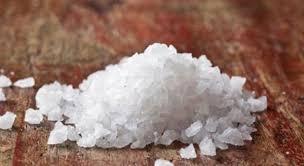
cation and three chloride anions, stabilized by extensive hydrogen bonding. It is a white, crystalline, highly water-soluble solid often used when handling the anhydrous form is impractical due to its sensitivity to moisture.
Properties
Formula:
[
A
l
(
H
2
O
)
6
]
C
l
3
[Al(H
2
O)
6
]Cl
3
(hexahydrate) or sometimes generalised as
A
l
C
l
3
⋅
6
H
2
O
AlCl
3
⋅6H
2
O.
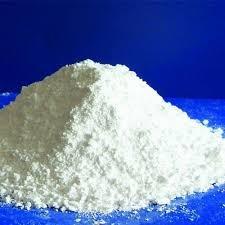
Appearance: White crystalline solid, easily dissolves in water.
Solubility: Highly soluble in water, hydrolyzes to form acidic solutions.
Stability: Less reactive as a Lewis acid than anhydrous aluminium chloride, thus not suitable for Friedel-Crafts catalysis.
Applications
Water Treatment: Functions as a flocculant in drinking water purification, aiding removal of suspended particles.
Textile Mordant: Used to fix dyes to fabrics in textile processing.
Cosmetics: Applied as an astringent in antiperspirants and skin-care products for moisture control.
Chemical Synthesis: Sometimes used as a reagent, though less common than the anhydrous form.
Pharmaceuticals: Occasionally used in drug delivery systems to improve the stability or availability of certain medications.
Hydrated aluminium chloride is less hazardous and easier to handle than the anhydrous form, making it suitable for diverse industrial and commercial applications.
Anhydrous aluminium chloride (
AlCl
3
AlCl
3
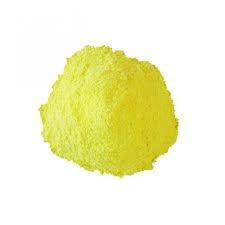
) is a white to gray, hygroscopic solid well known for its use as a powerful Lewis acid and a classic industrial catalyst in organic chemistry. It often appears yellow when contaminated with iron(III) chloride.
Chemical Properties and Structure
Formula:
AlCl
3
AlCl
3
Structure: In solid form, it features a layered, sheet-like structure with octahedral coordination; in the molten or vapor state, it exists as a dimer (
Al
2
Cl
6
Al
2
Cl
6
) with tetrahedral coordination.
Hygroscopic: Strongly attracts water, fuming in moist air and reacting violently with water to produce hydrochloric acid and aluminium hydroxide.
Lewis Acid: Highly effective at accepting electron pairs, making it invaluable for catalyzing a wide range of organic reactions.
Physical Properties
Appearance: White to gray (pure), turns yellow due to impurities.
Odor: Pungent.
Molecular Weight: 133.34 g/mol.
Melting Point: 192–193°C; sublimes at 180°C.
Boiling Point: 180°C (sublimes).
Solubility: Reacts violently with water; dissolves in organic solvents.
Density: 2.48 g/cm³ as a solid.
Uses
Catalyst in Organic Synthesis: Used in Friedel–Crafts alkylation/acylation, polymerization, and isomerization reactions.
Industrial: Used in dyes, pharmaceuticals, and perfumes manufacturing.
Other Uses: Sometimes found in antiperspirants and as a metal surface treatment agent at much lower concentrations.
Handling and Safety
Corrosive: Strongly corrosive to tissue, eyes, and mucous membranes; toxic by ingestion; reacts violently with water and bases.
Storage: Should be stored in tightly sealed containers, protected from moisture.
Special Cautions: After long storage, opening containers can be hazardous due to pressure or decomposition.
Anhydrous aluminium chloride’s reactivity and strong acidity make it essential for many chemical processes, but also require careful handling.
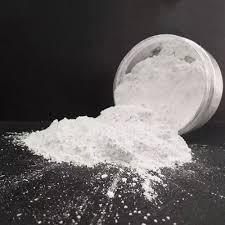
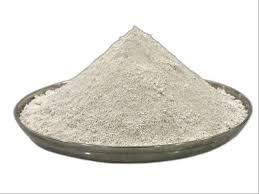
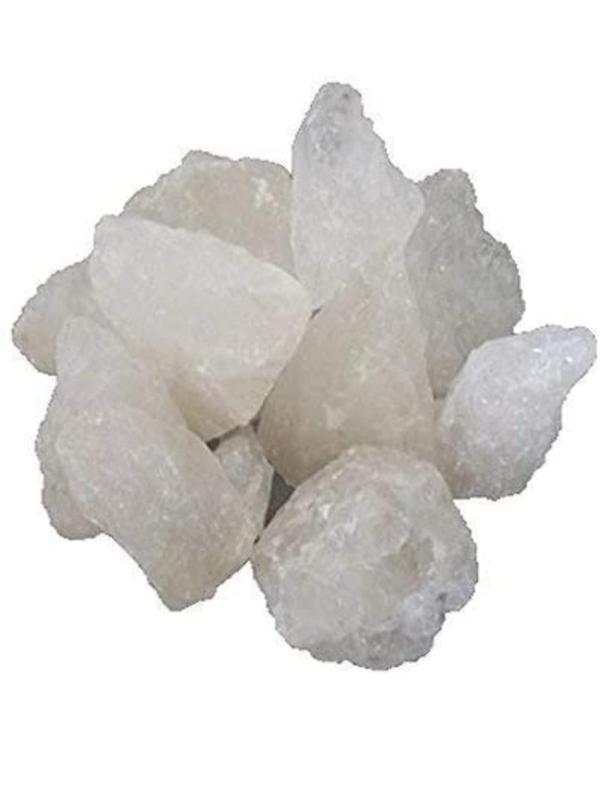
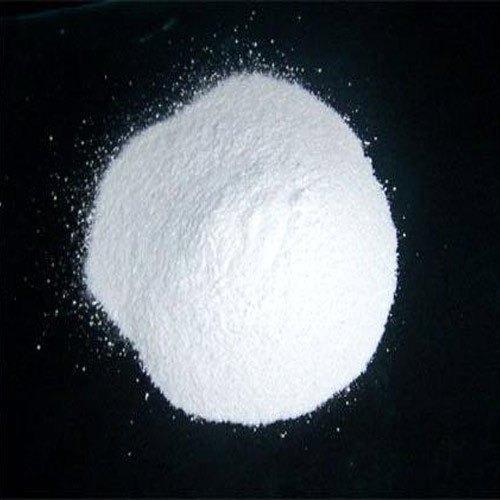
Basic aluminium carbonate is a white, odorless, tasteless, crystalline powder that is virtually insoluble in water and commonly used for its antacid properties, notably in the treatment of peptic ulcers and hyperacidity. The formula is variable, often given as Al₂O₃·CO₂ (sometimes referred to as aluminium carbonate hydroxide or basic aluminium carbonate), distinguishing it from normal aluminium carbonate (Al₂(CO₃)₃), which is not stable or well characterized under normal conditions.
Composition and Properties
Basic aluminium carbonate is a magnesium-aluminium carbonate complex, usually appearing as a white powder or lumps.
It is insoluble in water but can dissolve in hot acids like hydrochloric or sulfuric acid.
This compound is sometimes referred to as “Basaljel” in pharmaceutical contexts.
The compound acts as an antacid, neutralizing stomach acid and alleviating symptoms of hyperacidity and peptic ulcers.
Side effects may include diarrhea and vomiting.
Common Uses
Antacid: Used in the management of gastric ulcers, hyperacidity, and similar conditions.
Water and Wastewater Treatment: Employed due to its absorptive and neutralizing properties for water purification applications.
Raw Material: Used as a precursor for high-surface-area alumina catalysts, fillers in plastics/rubber/ceramics, and as a flame retardant in certain materials.
Additional Notes
The normal aluminium carbonate (Al₂(CO₃)₃) does not exist as a stable individual compound and is rarely encountered outside specific laboratory preparations.
Basic aluminium carbonate is distinct from the pure carbonate due to its basicity (contains hydroxyl groups in addition to carbonate ions).
Marketed antacid brands containing basic aluminium carbonate include “Basaljel”.
This compound's combination of antacid and absorptive properties makes it useful in both medical and industrial applications.
Aluminium bromide is a compound primarily existing as aluminium tribromide (
AlBr
3
AlBr
3
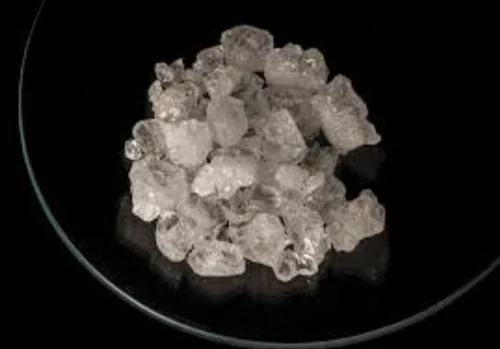
), composed of aluminum and bromine atoms, and most commonly found as a white to pale yellow, hygroscopic solid with a pungent odor. In its anhydrous form, it can appear lumpy or crystalline, whereas its solutions may appear light yellow.
Chemical Properties and Structure
The molecular formula for aluminium bromide is
AlBr
3
AlBr
3
, with a trigonal planar molecular shape and bond angles of 120° between bromine atoms.
It is highly moisture-sensitive, absorbing water from air and reacting violently with water.
The commonly found dimeric form in solid state is
Al
2
Br
6
Al
2
Br
6
.
It is a strong Lewis acid and Bronsted acid, able to accept electron pairs or donate protons in chemical reactions.
Physical Properties
Appearance: White to yellowish-red solid, lumpy or crystalline.
Odor: Pungent.
Density: Around
3.2
g
/
c
m
3
3.2g/cm
3
as anhydrous solid.
Melting Point: 94–98°C.
Boiling Point: 255–265°C.
Hygroscopic: Absorbs moisture from the air.
Corrosive: Highly corrosive to skin, eyes, and mucous membranes.
Uses
Organic Synthesis: Acts as a Lewis acid catalyst in reactions such as Friedel–Crafts alkylation and acylation (widely used in pharmaceuticals, dyes, and specialty chemicals).
Flame Retardants: Used in the manufacture of flame-retardant plastics and textiles for construction and electronics.
Pharmaceutical Manufacturing: Serves as a reagent for synthesis of active pharmaceutical ingredients.
Analytical Chemistry: Used as a reagent in laboratory settings.
Electroplating: Used in electroplating aluminum onto steel for a smooth, shiny finish.
Safety and Handling
Extremely corrosive and toxic, requiring careful handling and use of protective equipment.
Exposure can cause severe irritation or burns to the skin and eyes.
Aluminium bromide's strong Lewis acidity, moisture sensitivity, and catalytic properties make it important in both laboratory and industrial chemistry, especially in organic and pharmaceutical synthesis.
Aluminium borate is a chemical compound composed of aluminum, boron, and oxygen. It is commonly used in ceramics, refractory materials, and as a high-temperature structural material due to its excellent thermal stability, mechanical strength, and low thermal expansion. Aluminium borate often appears in the form of crystals or powders and finds applications in engineering, electronics, and advanced material science.
Aluminium ammonium sulphate extra pure is a high-purity, laboratory-grade form of ammonium alum, chemically known as Aluminium Ammonium Sulfate dodecahydrate with the formula
NH
4
Al(SO
4
)
2
⋅
12
H
2
O
NH
4
Al(SO
4
)
2
⋅12H
2
O.
Chemical Description
Chemical Formula:
NH
4
Al(SO
4
)
2
⋅
12
H
2
O
NH
4
Al(SO
4
)
2
⋅12H
2
O
Molar Mass: 453.32 g/mol (dodecahydrate)
Appearance: White crystalline powder or colorless crystals
Grade: Extra pure/analytical reagent (AR/ACS), typically ≥98-99% purity
Solubility: Highly soluble in water; insoluble in alcohol
pH (5% solution): About 2.6–4.6 (acidic)
Properties and Uses
Coagulant: Used in water purification for coagulation and precipitation of suspended particles.
Textile Mordant: Used in dyeing and printing in the textile industry.
Laboratory Reagent: Suitable for analytical work and high-purity laboratory preparations.
Medical and Cosmetic: Acts as an astringent and antiperspirant in some formulations.
This grade is chosen when low levels of contaminants and high analytical performance are required, such as in research, quality control labs, or sensitive industrial processess.
Alum ammonia extra pure, commonly known as Ammonium Alum or Aluminium Ammonium Sulfate dodecahydrate, has the chemical formula
NH
4
Al(SO
4
)
2
⋅
12
H
2
O
NH
4
Al(SO
4
)
2
⋅12H
2
O.
Chemical Description
Chemical Formula:
NH
4
Al(SO
4
)
2
⋅
12
H
2
O
NH
4
Al(SO
4
)
2
⋅12H
2
O
Molar Mass: 453.32 g/mol (dodecahydrate)
Appearance: White crystalline powder or colorless crystals; odorless
Purity (Extra Pure Grade): ≥98–99%
Density: ~1.64–1.65 g/cm³
Solubility: Highly soluble in water and glycerol, insoluble in alcohol
Melting Point: 93.5°C (dodecahydrate form)
pH (aqueous): Typically slightly acidic, about 2.6–4.6 (varies with concentration)
Other Names: Ammonium alum, aluminium ammonium sulfate dodecahydrate, ammonia alum
Properties and Uses
Water Purification: Used as a coagulant for water treatment and purification.
Textile Industry: Mordant for dyeing and printing textiles.
Analytical Reagent: Employed in laboratories due to its high purity.
Medical and Cosmetic: Occasionally used as an astringent and in deodorants.
Food and Other Uses: Used in some food processes, as a pickling agent, and as a component in fireproofing and tanning.
If you need a catalog-style or technical specification sheet for “extra pure” grade, let me know.
Alum chrome extra pure, commonly known as Chrome Alum or Chromium(III) Potassium Sulfate, is represented chemically as
KCr(SO
4
)
2
⋅
12
H
2
O
KCr(SO
4
)
2
⋅12H
2
O.
Chemical Description
Chemical Formula:
KCr(SO
4
)
2
⋅
12
H
2
O
KCr(SO
4
)
2
⋅12H
2
O
Molar Mass: 499.4 g/mol (dodecahydrate)
Appearance: Dark purple to nearly black crystalline powder
Density: 1.826 g/cm³ (dodecahydrate)
Melting Point: 75–90°C (decomposes with loss of water)
Solubility: Highly soluble in water; insoluble in alcohol
Properties and Uses
Leather Tanning: Primary use is in the leather tanning industry to stabilize collagen fibers
Dyeing and Mordant: Acts as a mordant in fabric dyeing due to its ability to fix dyes
Historical Photography: Used as a hardening agent for gelatin emulsions in photographic processing
Laboratory Reagent: Used for analytical and research purposes, especially in the preparation of chrome salts and other chromium compounds
Physical Properties: Solutions are dark violet, turning green upon heating above 50°C due to the formation of different chromium(III) complexes
Safety
Non-flammable: Chrome alum is not flammable
Handling: Avoid inhalation or ingestion, and use protective equipment when handling the pure material, especially in laboratory or industrial settings
“Extra pure” chrome alum refers to a highly purified form, suitable for sensitive analytical and laboratory uses where contaminant levels must be extremely low.
Let me know if you need typical specifications, material safety data, or catalog text for alum chrome extra pure.
Alum Potash, commonly known as Potassium Alum or Potassium Aluminium Sulfate, is a double salt with the chemical formula
KAl(SO
4
)
2
⋅
12
H
2
O
KAl(SO
4
)
2
⋅12H
2
O.
Chemical Description
Formula:
KAl(SO
4
)
2
⋅
12
H
2
O
KAl(SO
4
)
2
⋅12H
2
O.
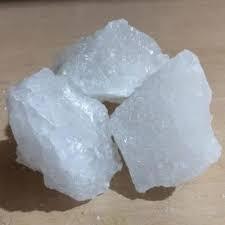
Appearance: Colorless, transparent crystals or white crystalline powder.
Molecular Weight: 474.39 g/mol (dodecahydrate).
Solubility: Highly soluble in water, practically insoluble in alcohol.
Melting Point: About 92°C (dehydrates at this temperature).
Crystal Structure: Forms octahedral crystals.
pH: Slightly acidic aqueous solution.
Other Names: Potash alum, fitkari (in India).
Properties and Uses
Water Treatment: Widely used as a coagulant in water purification to aid the removal of suspended particles.
Medicine: Used as an astringent, antiseptic, and in wound care to control bleeding.
Textiles: Important mordant in dyeing and printing fabrics, as well as a fire retardant for textiles, wood, and paper.
Leather Tanning: Used to extract moisture from hides and prevent rotting during the tanning process.
Cosmetics and Hygiene: Ingredient in deodorants, aftershave, and for treating minor cuts or abrasions due to its astringent properties.
Food: Occasionally used in food processing and pickling for its preservative and firming effects (within safety guidelines).
Traditional and Other Applications
Traditional Medicine: Known for treating mouth ulcers, controlling bleeding, and other local applications like gargling.
Pigment Base: Used in the manufacture of lake pigments as a base for colorants.
Agriculture: Used for pH adjustment and as a pesticide or antifungal agent in soil treatment (fitkari).
Let me know if you need technical specifications, catalog descriptions, or further details for any specific use.
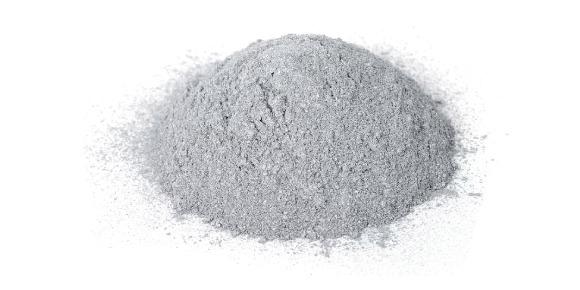
Aluminium (metal) powder is a fine, silvery-gray powder composed of small particles of elemental aluminium (chemical symbol: Al, CAS Number: 7429-90-5).
Chemical Description
Formula: Al (elemental aluminium).
Appearance: Light, silvery-white to gray, odorless powder.
Purity: Commercial grades range from 99% to 99.7% pure, with traces of iron, silicon, copper, and zinc as minor impurities.
Particle Shape: Available as spherical, flake, or irregular particles; flake and spherical grades are common for different uses.
Properties
Lightweight and conductive: Aluminium powder is highly conductive both thermally and electrically, though oxide-coated surfaces reduce conductivity compared to bulk aluminium.
Highly reactive: The powder is much more reactive than bulk aluminium, especially freshly formed particles, and can combust in air or react with water to release hydrogen.
Thermal conductivity: 100–170 W/m·K (lower than the 237 W/m·K of bulk aluminium).
Melting point: 660°C (as for bulk aluminium).
Uses
Metallurgy: Used in thermite reactions, production of ferroalloys, and as an alloying agent.
Chemical industry: Acts as a catalyst and reducing agent in various reactions.
Explosives and pyrotechnics: Key ingredient in fireworks, explosives, and rocket propellants because of its high energy release when oxidized.
Paints and coatings: Provides metallic finishes and increases UV and corrosion resistance.
Construction: Used in aerated concrete (AAC blocks) to create lightweight materials.
Electronics and additive manufacturing: Used in printed electronics, conductive adhesives, and 3D metal printing.
Safety
Flammable and explosive: Fine aluminium powder is classified as a combustible dust and flammable material, requiring careful storage and handling to prevent ignition.
Toxicity: Generally non-toxic with short-term exposure, but inhalation of dust should be avoided.
Let me know if you need a catalog-style specification or further details for a specific application.
Aluminium acetate is a white, crystalline, water-soluble salt formed by the reaction of aluminium hydroxide with acetic acid, and is most commonly encountered as aluminium triacetate with the chemical formula
Al(CH
3
CO
2
)
3
Al(CH
3
CO
2
)
3
or
C
6
H
9
AlO
6
C
6
H
9
AlO
6
.
Chemical Description
Chemical formula:
Al(CH
3
CO
2
)
3
Al(CH
3
CO
2
)
3
or
C
6
H
9
AlO
6
C
6
H
9
AlO
6
.
Appearance: White, hygroscopic, crystalline solid.
Molecular weight: 204.11 g/mol.
Solubility: Highly soluble in water, forming a clear, colorless solution.
pH (aqueous solution): Around 4.5.
Melting point: Approximately 300°C.
Properties and Uses
Astringent and Antiseptic: Aluminium acetate is commonly used as a topical astringent to relieve skin irritation, inflammation, and itching—often in over-the-counter solutions for dermatological care, such as treating poison ivy, bites, or athlete’s foot.
Mordant in Dyeing and Printing: It is used in textile processing to help dyes and pigments adhere to fabrics.
Laboratory and Industrial Uses: It acts as a reagent and stabilizer in chemical syntheses and can also be used for waterproofing or fireproofing fabrics.
Chemical Structure
Aluminium acetate features a central aluminium atom bonded to three acetate anions via oxygen atoms, where each acetate group consists of a methyl group bound to a carboxyl group.
If you need the description in a specific format (e.g., for a website or catalog), or need details for a particular use, please specifyspecify.
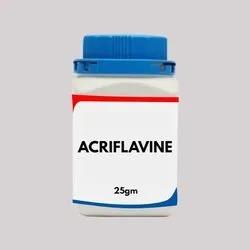
Acriflavin for biochemistry is a high-purity, laboratory-grade red or reddish-brown crystalline compound commonly used as a fluorescent dye, biological stain, and antimicrobial agent in biochemical and microbiological research.
Chemical Properties
Chemical Name: Acriflavin (often supplied as acriflavine hydrochloride).
Molecular Formula: C₁₄H₁₄N₃Cl.
Molecular Weight: 259.74 g/mol.
CAS Number: 8048-52-0 or 8063-24-9.
Appearance: Red or orange-red crystalline powder.
Purity (Assay): 98.5–105% on dry/anhydrous basis.
Solubility: Soluble in water and alcohol.
Sulphated Ash: Max. 1.0% w/w.
Water Content: Max. 6.5% w/w.
pH (aqueous solution): Neutral to slightly acidic.
Principal Applications in Biochemistry
Fluorescent Staining: Used for fluorescent labeling and staining of nucleic acids (DNA, RNA) and proteins, facilitating their visualization in gel electrophoresis and fluorescence microscopy.
Antimicrobial Agent: Acts as a topical antiseptic and antimicrobial agent for wound treatment, laboratory culture disinfection, and as an antiviral/antifungal compound in various biological models.
Biological Research: Intercalates into DNA, inhibiting bacterial and viral replication, and is used to study nucleic acid behavior, cell cycle dynamics, and gene expression.
Cancer and Drug Resistance Research: Investigated for its ability to inhibit HIF-1α (Hypoxia inducible factor) and sensitize cancer cells to therapy—an emerging area in biomedical research.
Safety and Handling
Acriflavin is poisonous and may irritate eyes, skin, and the respiratory system; appropriate PPE is required during laboratory handling.
Should be stored in a cool, dry place, away from direct sunlight and moisture for maximum shelf life.
Stains skin and surfaces easily and requires care in use and cleanup