
Germination Of Seed
Description
Germination of a seed is the process by which a dormant seed resumes growth and develops into a new plant or seedling. This is a crucial phase in a plant’s life cycle and is influenced by environmental conditions such as water, oxygen, and the right temperature.
Key Stages of Seed Germination
Imbibition: The process begins when the seed absorbs water, causing it to swell and soften. This breaks the dormancy and activates enzymes inside the seed, starting metabolic processes essential for growth.
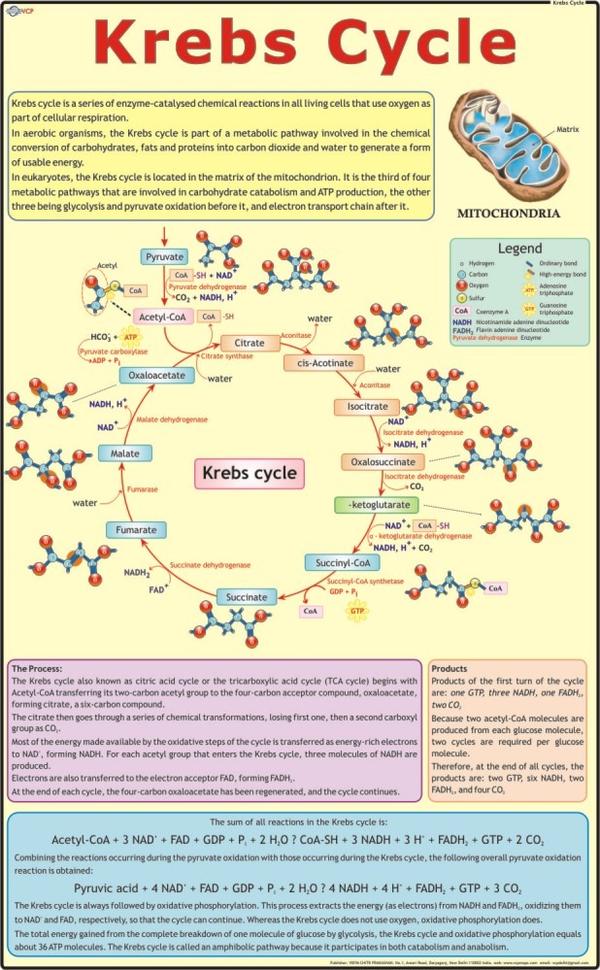
Activation of Metabolism: Enzymes begin to convert stored food reserves (from the endosperm or cotyledons) into simple sugars and nutrients required for growing cells. Cellular respiration increases, producing the energy (ATP) needed for growth.
Radicle Emergence: The outer seed coat ruptures, and the radicle (embryonic root) emerges first. This root anchors the seedling and absorbs water and nutrients from the soil.
Shoot Emergence: Following root development, the shoot (plumule) grows upward. The cotyledons may emerge above the ground to become the seedling's first leaves, which will begin photosynthesis upon exposure to light.
Seedling Establishment: As the shoot develops, the young plant (seedling) uses remaining seed reserves until it can perform photosynthesis and sustain itself as an independent plant.