
Thank you for writing to us. One of our executive will reach back to you through your submitted medium. In case there’s an urgency, feel free to connect over WhatsApp for faster response.
Prefer calling? Dial +918048036175 (International callers) or 08048036175 (Indian callers).
A T.S. (transverse section) of a monocot leaf—such as those of grasses or maize—shows unique anatomical features that distinguish it from a dicot leaf. Monocot leaves are also known as “isobilateral” because their internal anatomy is largely similar on both sides.
Key Anatomical Features
Upper and Lower Epidermis: Both surfaces are covered by a single layer of closely packed parenchymatous cells with a cuticle for protection. Stomata are present on both epidermal layers, and some cells in the upper epidermis—called bulliform (motor) cells—are large and thin-walled, enabling leaf rolling during water stress to reduce water loss.
Mesophyll: The entire ground tissue between the epidermal layers is called mesophyll, which is not differentiated into palisade and spongy parenchyma (unlike dicots). Mesophyll cells are isodiametric with intercellular spaces and contain numerous chloroplasts for photosynthesis.
Vascular Bundles: Many vascular bundles of varying sizes run parallel within the leaf. Each vascular bundle contains xylem (towards the upper epidermis) and phloem (towards the lower epidermis); all are surrounded by a parenchymatous bundle sheath. Larger vascular bundles may have extra layers or sclerenchyma for support.
Specialized Cells: Bulliform cells (aid in leaf curling), silica cells (for rigidity), and subsidiary cells (associated with guard cells of stomata) are often present.
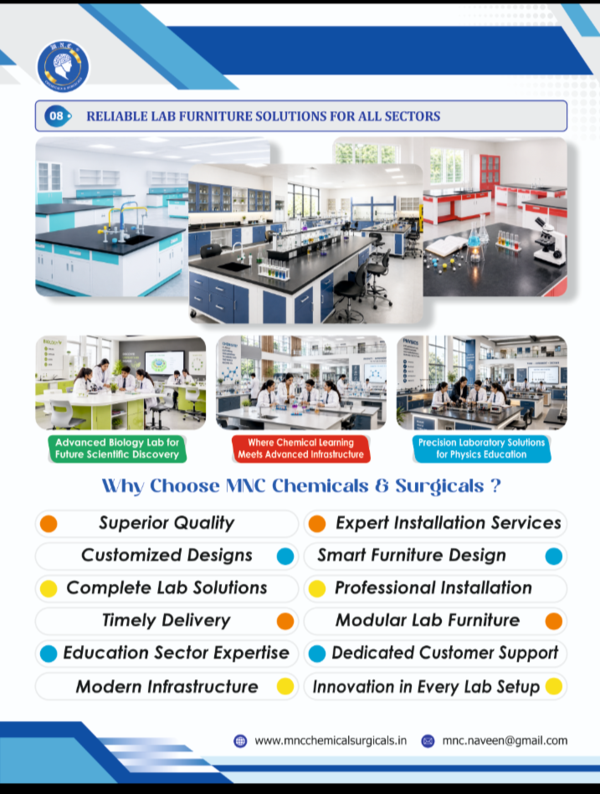
Welcome to the world of MNC Modular Laboratory Furniture! Our top-of-the-line modular laboratory furniture is designed to meet all your laboratory needs with ease and efficiency. Made with high-quality materials, our furniture is not only durable but also customizable to suit your specific requirements. With its sleek and modern design, it will give your lab a professional look while maximizing space utilization. Our modular furniture allows for easy installation and reconfiguration, making it perfect for any type of laboratory setting. Say goodbye to cluttered workspaces and hello to a well-organized and functional lab with MNC Modular Laboratory Furniture. Upgrade your lab today and experience the convenience and versatility of our top-notch modular furniture!
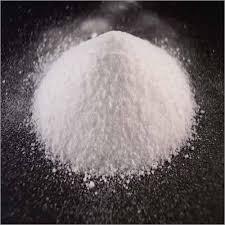
Ferrous borate extra pure is a high-quality iron(II) borate compound (commonly referred to as iron(II) borate or ferrous borate), used predominantly in laboratory and industrial settings for applications that demand high purity standards. It typically appears as a fine, air-sensitive solid and is valued for its chemical stability under controlled conditions. The compound features a high degree of purity, making it especially suitable for analytical work, advanced research, and select industrial processes.
Product Description for Website
Ferrous borate extra pure (Iron(II) borate) is a premium-grade inorganic salt prepared to strict purity standards, ensuring low levels of contaminants and accurate stoichiometry for scientific and technical applications. The product is carefully processed and packaged to maintain its chemical integrity and support reliable results in laboratory analysis and synthesis.
Synonyms: Iron(II) borate, Ferrous borate
Chemical Formula: Fe(BO2)2 (hydrated forms and other stoichiometries possible)
Appearance: Pale solid, may be air-sensitive
Grade: Extra pure (analytical/research grade)
Applications: Used in specialized laboratory analyses, catalyst systems, advanced inorganic synthesis, and as a starting material in certain industrial applications where high purity is critical.
Key Features
High purity and controlled chemical analysis for reliable, reproducible results
Packaged with minimal contamination risk and maximum shelf-life
Suitable for use in chemical research, formulation, and manufacturing at the analytical level
Safety & Handling
Ferrous borate is generally stable under typical laboratory conditions but should be handled with care as it may be sensitive to atmospheric moisture and air. Use standard personal protective equipment and store in a tightly sealed container in a cool, dry environment.
This concise description is suitable for use as a base product summary or catalog entry for e-commerce or laboratory supply websites, ensuring clarity for research and procurement professionals.
Ferrous borate extra pure is a high-quality iron(II) borate compound (commonly referred to as iron(II) borate or ferrous borate), used predominantly in laboratory and industrial settings for applications that demand high purity standards. It typically appears as a fine, air-sensitive solid and is valued for its chemical stability under controlled conditions. The compound features a high degree of purity, making it especially suitable for analytical work, advanced research, and select industrial processes.
Product Description for Website
Ferrous borate extra pure (Iron(II) borate) is a premium-grade inorganic salt prepared to strict purity standards, ensuring low levels of contaminants and accurate stoichiometry for scientific and technical applications. The product is carefully processed and packaged to maintain its chemical integrity and support reliable results in laboratory analysis and synthesis.
Synonyms: Iron(II) borate, Ferrous borate
Chemical Formula: Fe(BO2)2 (hydrated forms and other stoichiometries possible)
Appearance: Pale solid, may be air-sensitive
Grade: Extra pure (analytical/research grade)
Applications: Used in specialized laboratory analyses, catalyst systems, advanced inorganic synthesis, and as a starting material in certain industrial applications where high purity is critical.
Key Features
High purity and controlled chemical analysis for reliable, reproducible results
Packaged with minimal contamination risk and maximum shelf-life
Suitable for use in chemical research, formulation, and manufacturing at the analytical level
Safety & Handling
Ferrous borate is generally stable under typical laboratory conditions but should be handled with care as it may be sensitive to atmospheric moisture and air. Use standard personal protective equipment and store in a tightly sealed container in a cool, dry environment.
This concise description is suitable for use as a base product summary or catalog entry for e-commerce or laboratory supply websites, ensuring clarity for research and procurement professionals.