Thank you for writing to us. One of our executive will reach back to you through your submitted medium. In case there’s an urgency, feel free to connect over WhatsApp for faster response.
Prefer calling? Dial +918048036175 (International callers) or 08048036175 (Indian callers).
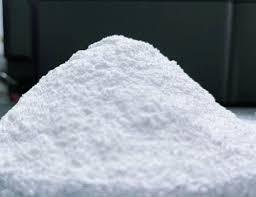
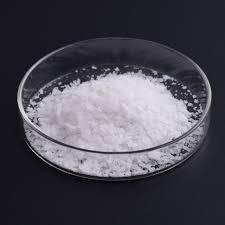
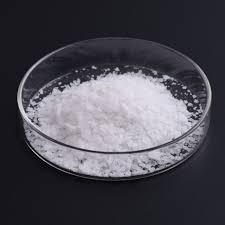
D-Sorbitol Powder 99% is a high-purity, white crystalline polyol (sugar alcohol) widely used in food, pharmaceutical, laboratory, and cosmetic industries for its sweet taste, moisture retention, and chemical inertness.
Properties and Specifications
Chemical formula: C₆H₁₄O₆; CAS No: 50-70-4.
Purity: ≥99% (Molecular Biology/Analytical/Industrial Grade).
Appearance: White, odorless, crystalline powder.
Melting point: 98–100°C.
Solubility: Highly soluble in water (up to 182 g/L at 20°C); forms clear, colorless solutions.
pH (10% aqueous solution): 3.5–7.0.
Non-corrosive, chemically stable, and inert in air and at moderate temperatures.
Uses
Food: Low-calorie sweetener in sugar-free products, confectionery, and diabetic-friendly foods.
Pharmaceutical: Used in tablets, syrups, and as a humectant in oral healthcare products and cosmetics.
Laboratory: Applied as an osmotic stabilizer in cell biology and as a carbon source in microbial media.
Cosmetic: Functions as a moisturizing, thickening, and soothing agent in skin-care formulations.
D-Sorbitol Powder 99% is chosen for applications where purity, moisture retention, and sweetness with minimal metabolic impact are required
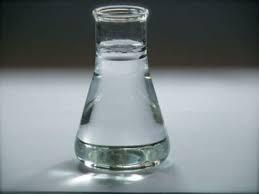
DPX Mountant is a synthetic, non-aqueous mounting medium used in microscopy and histology for preserving stained tissue sections and mounting them on slides. It is especially popular for its clarity, rapid drying, and chemical resistance, replacing older xylene-balsam preparations.
Composition and Properties
Components: Distyrene (polystyrene), a plasticizer (e.g., dibutyl phthalate), and xylene.
Appearance: Clear, colorless to pale yellow viscous liquid.
Viscosity: ~1200–1800 mPa·s at 20°C.
Density: ~0.94–0.97 g/mL.
Refractive index: 1.515–1.525 (very close to glass).
Flash point: 24–30°C; flammable; aromatic odor.
Insoluble in water, miscible with xylene and other organic solvents.
Uses and Advantages
Provides a permanent, transparent seal for tissue sections and coverslips, resisting most laboratory chemicals and not yellowing over time.
Dries quickly (usually within 15–30 minutes), allowing for rapid handling and storage of prepared slides.
Ideal for applications in hematology, histology, and immunohistochemistry where preservation of fine stained details is crucial.
DPX Mountant ensures long-term slide preservation, superior optical clarity, and minimal artifact formation in stained preparations for microscopy and histopathology.
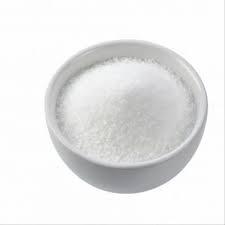
DL-Aspartic Acid is a synthetic, racemic form of aspartic acid, which includes both D- and L-isomers of the molecule. It appears as a white crystalline powder and is primarily used as a biochemical reagent in laboratory research and synthesis applications.
Chemical Properties
Molecular Formula: C₄H₇NO₄
Molecular Weight: 133.10 g/mol
CAS Number: 617-45-8
Purity: Typically available at ≥99%
Physical Form: White crystalline solid or powder
Melting Point: >300°C
Solubility: Slightly soluble in water; more soluble in alkaline solutions.
Applications
DL-Aspartic Acid serves as a reference material in pharmaceutical quality control and biochemical research.
It is used in the synthesis of other amino acids, peptides, and complex organic compounds.
Commonly employed in studies investigating protein biosynthesis pathways and metabolic processes.
Storage and Handling
Store at room temperature in a dry environment.
Use standard laboratory safety precautions such as gloves and protective eyewear when handling.
DL-Aspartic Acid is not intended for human consumption; it is supplied for laboratory, research, and manufacturing use only.
DL-Aspartic Acid is a synthetic, racemic form of aspartic acid, which includes both D- and L-isomers of the molecule. It appears as a white crystalline powder and is primarily used as a biochemical reagent in laboratory research and synthesis applications.
Chemical Properties
Molecular Formula: C₄H₇NO₄
Molecular Weight: 133.10 g/mol
CAS Number: 617-45-8
Purity: Typically available at ≥99%
Physical Form: White crystalline solid or powder
Melting Point: >300°C
Solubility: Slightly soluble in water; more soluble in alkaline solutions.
Applications
DL-Aspartic Acid serves as a reference material in pharmaceutical quality control and biochemical research.
It is used in the synthesis of other amino acids, peptides, and complex organic compounds.
Commonly employed in studies investigating protein biosynthesis pathways and metabolic processes.
Storage and Handling
Store at room temperature in a dry environment.
Use standard laboratory safety precautions such as gloves and protective eyewear when handling.
DL-Aspartic Acid is not intended for human consumption; it is supplied for laboratory, research, and manufacturing use only.
Diphenylamine extra pure is a high-purity grade of diphenylamine suitable for analytical and research applications. It is supplied as a crystalline organic solid with typical assay ≥99% and is used mainly as a reagent, redox indicator, and antioxidant in laboratory and industrial settings.
Product overview
Chemical name: Diphenylamine
Synonyms: N-phenylbenzenamine, N-phenylaniline, anilinobenzene, DPA.
CAS number: 122-39-4.
Grade: Extra pure / AR / ACS-type, typical purity around 99%.
Typical appearance: White to pale yellow crystalline powder or solid, sometimes tan on aging.
Odor: Mild, amine-like.
Chemical properties
Molecular formula: C₁₂H₁₁N (often written as
(
C
6
H
5
)
2
N
H
(C
6
H
5
)
2
NH).
Molecular weight: 169.23 g/mol.
Melting point: about 52–54 °C.
Boiling point: about 302 °C at 760 mmHg.
Solubility: Very low in water (~0.03–0.05 g/L), but soluble in alcohol and readily soluble in benzene, ether and many organic solvents.
Uses and applications
Employed as an analytical reagent and redox indicator in various titrations.
Used as an antioxidant and stabilizer in lubricants, rubber, and plastics.
Also used in dye and pigment chemistry and, historically, as a post-harvest treatment to control superficial scald in stored apples (not for consumer use as such in a lab-grade product).
Storage and safety (for catalogue text)
Storage: Store tightly closed at room temperature in a cool, dry, well-ventilated place; protect from light and ignition sources.
Hazard notes (short form): Harmful if swallowed, causes serious eye damage, may cause organ damage on prolonged exposure, and very toxic to aquatic life; handle with appropriate PPE and avoid environmental release.
Intended use: For laboratory and industrial use only; not for drug, food, or household use.
Diphenyl extra pure is most commonly the extra pure grade of biphenyl (also called diphenyl), an aromatic hydrocarbon consisting of two benzene rings linked by a single carbon–carbon bond. It is supplied as a high-purity crystalline solid for laboratory and industrial use, typically with assay ≥99%.
Product overview
Chemical name: Biphenyl
Synonyms: Diphenyl, phenylbenzene, bibenzene, lemonene.
CAS number: 92-52-4.
Grade: Extra pure / AR-type, purity usually not less than 99%.
Appearance: White to faint yellow crystals, flakes or powder, with a pleasant, mild aromatic odor.
Chemical properties
Molecular formula: C₁₂H₁₀.
Molecular weight: 154.21 g/mol.
Melting point: about 68–70 °C.
Boiling point: about 255 °C at 760 mmHg.
Solubility: Insoluble in water; soluble in alcohol, ether and many organic solvents such as benzene and carbon tetrachloride.
Uses and applications
Used as a solvent and high-boiling carrier or heat-transfer medium in organic synthesis and process chemistry.
Employed as a preservative and fungistatic agent for citrus or other fruits in industrial/technical settings (not for direct food use in lab grade).
Serves as an intermediate and structural building block in the synthesis of biphenyl derivatives, dyes, pharmaceuticals and specialty chemicals.
Storage and safety (catalogue style)
Storage: Keep in tightly closed container, in a cool, dry, well-ventilated place; typically stored below about 30 °C and away from strong oxidizing agents.
Hazard notes (short): Irritating to skin, eyes and respiratory tract and very toxic to aquatic life; harmful if swallowed and environmentally hazardous, so avoid release to the environment and handle with appropriate PPE.
Intended use: For laboratory and industrial use only; not for drug, food, cosmetic or household applications.
Dioctyl phthalate purified is a high-purity grade of the plasticizer dioctyl phthalate (DOP), also known as bis(2-ethylhexyl) phthalate. It is typically supplied as a clear, colorless or slightly yellowish oily liquid with assay ≥99.5% and very low impurity/moisture content.
Chemical properties
Chemical name: Dioctyl phthalate
Synonyms: Bis(2-ethylhexyl) phthalate, DEHP, DOP.
CAS number: 117-81-7 (also 117-84-0 for di-n-octyl phthalate).
Molecular formula: C₂₄H₃₈O₄.
Molecular weight: ~390.54 g/mol.
Appearance: Clear, colorless to light yellow oily liquid.
Density: 0.985–0.988 g/mL at 20–25 °C.
Boiling point: 384 °C.
Melting point: −50 °C.
Refractive index: 1.483–1.488 at 20–27 °C.
Acid value: ≤0.01% as phthalic acid.
Moisture content: ≤0.1%.
Applications
Used as a primary plasticizer in the manufacture of flexible PVC products, resins, elastomers, and rubber.
Often selected for high-purity/plasticizer-sensitive applications including laboratory, medical device, and analytical reagent use where low UV absorbance and minimal impurities are necessary.
Purification notes
Highly purified DOP may be further processed to reduce levels of phthalide and UV-absorbing impurities, meeting ISO standards for medical applications.
Typical methods involve filtration or adsorption (activated carbon, silica gel, diatomaceous earth) to remove color bodies and phthalide by-products, resulting in DOP with UV absorbance <0.1 at 230 nm.
Safety and handling
Store in tightly closed containers at room temperature, away from heat and strong oxidizers.
Handle with appropriate PPE due to potential health and environmental risks; not for food, drug or cosmetic use.
Dimethyl yellow is a synthetic azo dye used as a pH indicator in analytical chemistry, changing color from red below pH 2.9 to yellow above pH 4.0. It appears as a yellow-orange to orange-brown powder and is suitable for titrations involving weak bases with strong acids.
Chemical Properties
Chemical name: Dimethyl yellow (also Methyl Yellow or 4-(Dimethylamino)azobenzene)
Synonyms: Solvent Yellow 2, C.I. 11020.
CAS number: 60-11-7.
Molecular formula: C₁₄H₁₅N₃ or C₆H₅N=NC₆H₄N(CH₃)₂.
Molecular weight: 225.29–225.30 g/mol.
Melting point: 110–116 °C.
Appearance: Yellow powder or orange to brown crystalline powder.
Density: ~1.14 g/cm³.
λ max: 403–407 nm in ethanol; 505–515 nm at pH 2.4.
Applications
Primarily used as an acid-base indicator in pH titrations, especially for weak base-strong acid endpoints.
Employed in analytical procedures requiring sharp color change in acidic range; typically prepared as 0.1% solution in ethanol.
Storage and Handling
Store in a cool, dry place in tightly closed containers, protected from light and moisture.
Toxic if swallowed with potential carcinogenic effects; handle with gloves, avoid inhalation and skin contact, and prevent environmental release.
For laboratory research use only; not for food, drug or cosmetic applications.
Dimethyl yellow indicator solution is typically prepared as a 0.2% (w/v) solution of dimethyl yellow dye dissolved in 90% ethanol. This solution is used as a pH indicator where it shows a color change from red at pH below 2.9 to yellow at pH above 4.0, suitable for titrations involving weak bases and strong acids.
To prepare this solution, dissolve 0.2 grams of dimethyl yellow powder in 100 mL of 90% ethanol, ensuring complete dissolution. The solution should be stored in a tightly closed container, protected from light and moisture to maintain stability and performance.
This indicator solution is commonly used in laboratory acid-base titrations and is valued for its sharp color change within the acidic pH range, helping accurately detect endpoints.
In summary:
Concentration: 0.2% w/v dimethyl yellow in 90% ethanol
Color change: Red below pH 2.9, yellow above pH 4.0
Storage: Tightly sealed, protected from light and moisture
Application: Acid-base titrations involving weak bases and strong acids
This approach ensures reliable and reproducible pH indication in analytical procedures.
Dimethylglyoxime (DMG) is an organic compound with the chemical formula C4H8N2O2, appearing as a white or off-white crystalline powder. It is slightly soluble in water but readily soluble in organic solvents like methanol and alkaline solutions such as sodium hydroxide. The molecular structure features two oxime groups (-C=NOH) attached to adjacent carbon atoms, making it a bidentate ligand that can coordinate to metal ions.
Dimethylglyoxime is widely used in analytical chemistry as a reagent for the qualitative and quantitative detection of nickel, cobalt, and palladium. It forms a characteristic crimson-red insoluble complex with nickel ions, which facilitates easy identification and separation. This chelation reaction is also exploited in metal extraction and purification.
Physically, dimethylglyoxime has a melting point of about 240 to 241 °C, is odorless, and has a density of approximately 1.37 g/cm³. It’s typically handled as a solid powder and used in solution form for analytical tests.
In brief:
Chemical formula: C4H8N2O2
Appearance: White/off-white crystalline powder
Solubility: Slight in water, soluble in methanol and NaOH
Use: Analytical reagent for nickel, cobalt, palladium detection
Forms crimson-red chelate complexes with nickel ions
This makes dimethylglyoxime an essential reagent in inorganic qualitative analysis and coordination chemistry studies.
Diastase is a group of enzymes that catalyze the breakdown of starch into maltose and other smaller sugar molecules. It primarily includes amylases such as α-amylase and β-amylase, which hydrolyze the internal α-1,4-glycosidic bonds in starch. Diastase enzymes are found in plants, saliva, malt, and microorganisms, and they play a crucial role in digestion and fermentation processes by converting complex carbohydrates into fermentable sugars.
In practical applications, diastase is important in brewing and distilling industries where it breaks down gelatinized starches during malting and mashing, enhancing sugar availability for fermentation. The enzyme works optimally at neutral pH (around 6–7) and temperatures close to human body temperature. It is thermostable to some extent but loses activity outside its optimal conditions.
Diastase is also used in pharmaceuticals and food products for its starch-digesting properties, aiding digestion and improving nutrient availability. It is classified under the enzyme drug code A09AA01 by WHO when used medicinally.
In summary:
Diastase = amylolytic enzyme complex (mainly α- and β-amylase)
Function = hydrolyze starch into maltose and dextrins
Sources = malt, plants, microbes, saliva
Optimal conditions = pH ~6-7, moderate temperature
Applications = brewing, fermentation, digestion aid, pharmaceuticals
This makes diastase essential in both biological digestion and industrial carbohydrate processing.
Di Sodium Hydrogen Ortho Phosphate, also known as Disodium Hydrogen Phosphate or Sodium Phosphate Dibasic, is an inorganic compound with the chemical formula Na2HPO4. It commonly occurs in anhydrous or hydrated forms (dihydrate, heptahydrate, dodecahydrate) as a white crystalline powder that is odorless and hygroscopic. Its molecular weight is approximately 141.96 g/mol for anhydrous and about 177.99 g/mol for the dihydrate form.
This compound is highly soluble in water and forms a mildly basic solution with a pH typically between 8.0 and 11.0. It is produced industrially by neutralizing phosphoric acid with sodium hydroxide. The salt is widely used as a buffering agent in pharmaceuticals and food products, an emulsifier and stabilizer in processed foods and dairy, in water treatment for pH control and softening, and as a reagent in laboratory analytical procedures.
Typical physicochemical properties include:
Appearance: White crystalline powder or crystals
Solubility: Highly soluble in water
Melting point: Approx. 250 °C (anhydrous)
pH range (water solutions): 8.0 - 11.0
Density: Varies by hydrated form; ~1.06 g/mL for dihydrate
It is available in food grade, technical grade, and pharmaceutical grades and is valued for its purity, chemical stability, and buffering capacity.
In summary:
Chemical formula: Na2HPO4 (disodium hydrogen phosphate)
Occurrence: Anhydrous or various hydrated crystalline forms
Uses: Buffering agent, emulsifier, stabilizer, pH control, analytical reagent
Appearance: White, odorless, crystalline powder
Soluble in water, mildly alkaline solution
This makes di sodium hydrogen ortho phosphate a versatile chemical in industrial, pharmaceutical, food, and laboratory applications.