Thank you for writing to us. One of our executive will reach back to you through your submitted medium. In case there’s an urgency, feel free to connect over WhatsApp for faster response.
Prefer calling? Dial +918048036175 (International callers) or 08048036175 (Indian callers).
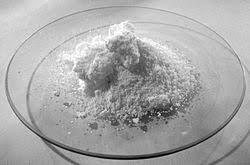
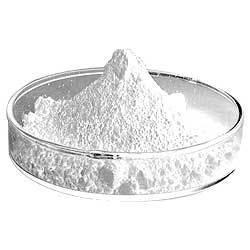
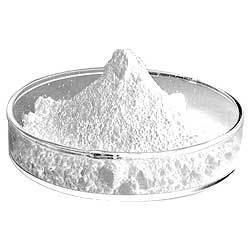
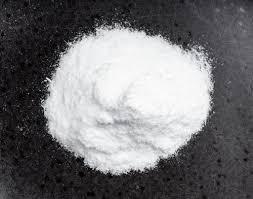
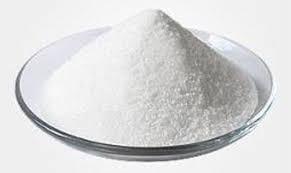
Di Potassium Hydrogen Phosphate (chemical formula K2HPO4) is an inorganic salt that appears as a white, odorless crystalline powder or granules. It is highly soluble in water, forming mildly alkaline solutions with a typical pH range between 8.7 and 9.4 in a 1% aqueous solution. It serves as a buffering agent, pH regulator, and source of potassium and phosphorus across various industries.
Key chemical and physical properties:
Molecular formula: K2HPO4
Appearance: White crystalline powder or granules
Solubility: Highly soluble in water, slightly soluble in alcohol
pH (1% solution): About 8.7 to 9.4
Stability: Non-volatile, stable under normal conditions but hygroscopic
Primary applications:
Food industry: Used as an emulsifier, stabilizer, texturizer, and pH buffer in processed foods, dairy products, beverages, and baked goods to maintain texture, taste, and shelf life.
Pharmaceuticals: Used as an excipient, pH buffer, electrolyte in IV solutions, oral rehydration salts, dietary supplements, and drug formulations.
Agriculture: An important component of fertilizers supplying potassium and phosphorus nutrients.
Water treatment: pH buffering and corrosion inhibition in municipal water, industrial water systems, and wastewater treatment.
Chemical industry: Buffering agent in chemical analysis, preparation of potassium pyrophosphate, and as a fermentation medium component.
Safety and storage:
Handle with proper PPE due to potential irritant properties.
Store in a tightly closed container, in a cool, dry, well-ventilated place.
Overall, Di Potassium Hydrogen Phosphate is valued for its excellent buffering capacity, nutrient content, and chemical stability, making it a versatile additive and reagent in food, pharmaceutical, agriculture, water treatment, and chemical industries.
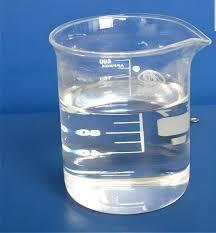
Diethyl ether, also known simply as ether, is an organic compound with the chemical formula (C2H5)2O or C4H10O. It consists of two ethyl groups connected by an oxygen atom, forming a colorless, highly volatile, and flammable liquid with a characteristic sweet, pungent odor.
Key physical and chemical properties include:
Molecular formula: C4H10O
Molecular weight: 74.12 g/mol
Appearance: Colorless liquid
Boiling point: 34.6 °C
Melting point: -116 °C
Density: Approximately 0.713 - 0.714 g/cm³ at 20 °C
Solubility: Slightly soluble in water (~6.9% at 20 °C); miscible with ethanol, acetone, and many organic solvents
Vapor pressure: High, about 439.8 mm Hg at 20 °C
Flash point: Approximately -40 °F (-40 °C)
Odor: Sweet, ether-like
Diethyl ether is widely used as a solvent in laboratories due to its excellent ability to dissolve a range of organic compounds. It was historically important as a general anesthetic but has largely been replaced by safer alternatives today. It is highly flammable and volatile, requiring careful storage and handling away from any ignition sources. Its chemical structure consists of an oxygen atom bonded to two ethyl groups, causing it to be relatively non-polar but with slight polarity due to the oxygen, resulting in its solubility characteristics.
In summary:
Diethyl ether is a volatile, flammable, colorless liquid used as a solvent and former anesthetic.
It has low boiling and melting points and a sweet pungent odor.
Chemical formula (C2H5)2O, molecular weight 74.12 g/mol.
Highly flammable with a low flash point, requiring careful handling and storage.
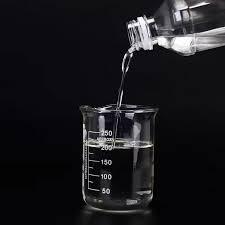
Di Butyl Phthalate (DBP), also known as Dibutyl Phthalate, is an organic compound used primarily as a plasticizer in polymers, resins, and PVC products due to its low toxicity and wide liquid range. It appears as a colorless to faint yellow oily liquid with minimal odor and the chemical formula C₆H₄(CO₂C₄H₉)₂.
Chemical Properties
Molecular formula: C₁₆H₂₂O₄
Molecular weight: 278.34 g/mol
CAS number: 84-74-2
Appearance: Colorless to pale yellow oily liquid
Boiling point: Approximately 327–340 °C
Melting point: -35 °C
Density: About 1.04–1.05 g/cm³ at 20–25 °C
Solubility: Low in water (~0.01%), highly soluble in organic solvents like acetone, ethanol, and benzene
Vapor pressure: Very low (e.g., ~1.3 hPa at 147 °C), non-volatile
Flash point: Around 157–191 °C.
Applications
Primarily acts as a plasticizer for PVC, cellulose acetate, and nitrocellulose in products like coatings, adhesives, inks, and flexible plastics.
Used in cosmetics (nail polishes), printing inks, and as a secondary plasticizer or solvent in industrial formulations.
Provides flexibility, durability, and processability to polymers without significant migration.
Storage and Safety
Store in tightly closed containers in a cool, dry, well-ventilated area away from strong oxidants and heat.
Harmful if swallowed or inhaled; potential reproductive toxicant and environmental concern (lipophilic, persistent); handle with PPE and avoid release to waterwaysDi Butyl Phthalate (DBP), also known as Dibutyl Phthalate, is an organic compound used primarily as a plasticizer in polymers, resins, and PVC products due to its low toxicity and wide liquid range. It appears as a colorless to faint yellow oily liquid with minimal odor and the chemical formula C₆H₄(CO₂C₄H₉)₂.
Chemical Properties
Molecular formula: C₁₆H₂₂O₄
Molecular weight: 278.34 g/mol
CAS number: 84-74-2
Appearance: Colorless to pale yellow oily liquid
Boiling point: Approximately 327–340 °C
Melting point: -35 °C
Density: About 1.04–1.05 g/cm³ at 20–25 °C
Solubility: Low in water (~0.01%), highly soluble in organic solvents like acetone, ethanol, and benzene
Vapor pressure: Very low (e.g., ~1.3 hPa at 147 °C), non-volatile
Flash point: Around 157–191 °C.
Applications
Primarily acts as a plasticizer for PVC, cellulose acetate, and nitrocellulose in products like coatings, adhesives, inks, and flexible plastics.
Used in cosmetics (nail polishes), printing inks, and as a secondary plasticizer or solvent in industrial formulations.
Provides flexibility, durability, and processability to polymers without significant migration.
Storage and Safety
Store in tightly closed containers in a cool, dry, well-ventilated area away from strong oxidants and heat.
Harmful if swallowed or inhaled; potential reproductive toxicant and environmental concern (lipophilic, persistent); handle with PPE and avoid release to waterwaysDi Butyl Phthalate (DBP), also known as Dibutyl Phthalate, is an organic compound used primarily as a plasticizer in polymers, resins, and PVC products due to its low toxicity and wide liquid range. It appears as a colorless to faint yellow oily liquid with minimal odor and the chemical formula C₆H₄(CO₂C₄H₉)₂.
Chemical Properties
Molecular formula: C₁₆H₂₂O₄
Molecular weight: 278.34 g/mol
CAS number: 84-74-2
Appearance: Colorless to pale yellow oily liquid
Boiling point: Approximately 327–340 °C
Melting point: -35 °C
Density: About 1.04–1.05 g/cm³ at 20–25 °C
Solubility: Low in water (~0.01%), highly soluble in organic solvents like acetone, ethanol, and benzene
Vapor pressure: Very low (e.g., ~1.3 hPa at 147 °C), non-volatile
Flash point: Around 157–191 °C.
Applications
Primarily acts as a plasticizer for PVC, cellulose acetate, and nitrocellulose in products like coatings, adhesives, inks, and flexible plastics.
Used in cosmetics (nail polishes), printing inks, and as a secondary plasticizer or solvent in industrial formulations.
Provides flexibility, durability, and processability to polymers without significant migration.
Storage and Safety
Store in tightly closed containers in a cool, dry, well-ventilated area away from strong oxidants and heat.
Harmful if swallowed or inhaled; potential reproductive toxicant and environmental concern (lipophilic, persistent); handle with PPE and avoid release to waterwaysDi Butyl Phthalate (DBP), also known as Dibutyl Phthalate, is an organic compound used primarily as a plasticizer in polymers, resins, and PVC products due to its low toxicity and wide liquid range. It appears as a colorless to faint yellow oily liquid with minimal odor and the chemical formula C₆H₄(CO₂C₄H₉)₂.
Chemical Properties
Molecular formula: C₁₆H₂₂O₄
Molecular weight: 278.34 g/mol
CAS number: 84-74-2
Appearance: Colorless to pale yellow oily liquid
Boiling point: Approximately 327–340 °C
Melting point: -35 °C
Density: About 1.04–1.05 g/cm³ at 20–25 °C
Solubility: Low in water (~0.01%), highly soluble in organic solvents like acetone, ethanol, and benzene
Vapor pressure: Very low (e.g., ~1.3 hPa at 147 °C), non-volatile
Flash point: Around 157–191 °C.
Applications
Primarily acts as a plasticizer for PVC, cellulose acetate, and nitrocellulose in products like coatings, adhesives, inks, and flexible plastics.
Used in cosmetics (nail polishes), printing inks, and as a secondary plasticizer or solvent in industrial formulations.
Provides flexibility, durability, and processability to polymers without significant migration.
Storage and Safety
Store in tightly closed containers in a cool, dry, well-ventilated area away from strong oxidants and heat.
Harmful if swallowed or inhaled; potential reproductive toxicant and environmental concern (lipophilic, persistent); handle with PPE and avoid release to waterways
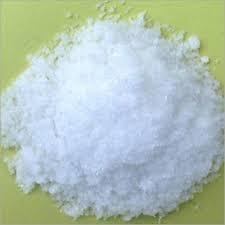
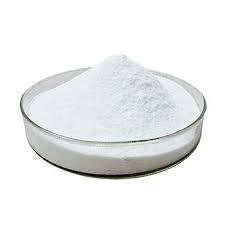
Di Ammonium Hydrogen Phosphate, also known as diammonium phosphate (DAP), is an inorganic compound with the chemical formula (NH4)2HPO4. It appears as a white crystalline solid or powder that is odorless with a slightly saline taste. DAP is highly soluble in water (about 690 g/L at 20 °C) and forms a mildly alkaline solution with a pH around 7.6 - 8.4 in aqueous solutions.
Key physical and chemical properties:
Chemical formula: (NH4)2HPO4
Molecular weight: 132.06 g/mol
Appearance: White crystals or powder
Solubility: Highly soluble in water
pH of 1% solution: About 7.6 to 8.2
Melting point: Approximately 155 °C
Density: Approximately 1.62 g/cm³
DAP is widely used as a fertilizer providing both nitrogen and phosphorus essential for plant growth. It also finds use as a food additive for pH control and preservation, and in fire retardants and ceramic manufacturing due to its thermal stability. It acts as a buffering agent and is non-hygroscopic, facilitating convenient storage and transport.
Safety aspects include handling as an irritant, with proper PPE recommended, and storage in a cool, dry place in sealed containers. It is non-flammable and stable under normal conditions.
Summary:
Chemical formula: (NH4)2HPO4
White crystalline solid, odorless
Highly water soluble, slightly alkaline
Applications: Fertilizer, food additive, fire retardant, ceramics
Stable, non-hygroscopic, non-flammable
Di Ammonium Hydrogen Phosphate is a versatile compound key in agriculture, food industry, and industrial applications.
D-Glucose Powder Monohydrate, also known as D-(+)-Glucose Monohydrate or dextrose monohydrate, is a naturally occurring monosaccharide and carbohydrate in crystalline powder form. Its chemical formula is C6H12O6·H2O, with a molecular weight of approximately 198.17 g/mol due to the inclusion of one water molecule (monohydrate).
Key properties:
Appearance: White to off-white crystalline powder or colorless crystals
Odor: Odorless
Solubility: Freely soluble in water; sparingly soluble in ethanol
Melting point: Around 83 °C
Density: Around 1.54 g/cm³
pH (1% aqueous solution): Approximately 5.9 to 7
Optical activity: [α]20/D +52.5 to +53.3° (indicating the D-form)
D-Glucose monohydrate is widely used as a supplement in food, pharmaceuticals, and biochemistry applications. It serves as an energy source in cell culture and biological studies, and as a standard in analytical chemistry. It is obtained industrially by enzymatic hydrolysis of starch followed by purification and crystallization.
In summary:
Chemical formula: C6H12O6·H2O
Form: White crystalline powder, odorless
Solubility: Highly soluble in water
Common uses: Nutritional supplement, pharmaceutical ingredient, cell culture carbon source, analytical reagent
This form of glucose is stable, pure, and widely employed in scientific, medical, and industrial applications.
D-Glucose Powder Anhydrous Purified is a form of glucose without the water molecule found in the monohydrate form. It appears as a white or colorless crystalline powder that is odorless and sweet in taste. Its chemical formula is C6H12O6, with a molecular weight of approximately 180.16 g/mol, compared to 198.17 g/mol for the monohydrate due to absence of water.
Key properties of anhydrous D-glucose include:
Appearance: White crystalline powder or colorless crystals
Odor: Odorless
Solubility: Freely soluble in water, sparingly soluble in ethanol
Melting point: Approximately 146 °C
Density: About 1.54 g/cm³
pH (0.5 molar aqueous solution): Around 5.9
Optical rotation: [α]20/D +52.5 to +53.3°
This form is more stable and has a longer shelf life than the monohydrate but tends to absorb moisture from air, converting back to the monohydrate form if not stored properly. It is produced industrially by dehydration of glucose monohydrate through drying or crystallization methods.
Common uses include:
Energy source in cell culture and biochemical applications
Ingredient in pharmaceuticals and food products
Analytical reagent and standard in laboratories
Purified anhydrous D-glucose is preferred where moisture sensitivity is critical or for precise analytical purposes.
Summary:
Chemical formula: C6H12O6 (no water of crystallization)
White crystalline powder, odorless, sweet
Freely soluble in water; melting point ~146 °C
More stable than monohydrate but hygroscopic
Applications: Pharmaceutical, biochemical, food, analytical reagent
This purified anhydrous glucose provides a reliable, moisture-free source of glucose for various scientific and industrial needs.
D-Fructose is a naturally occurring monosaccharide with the chemical formula C6H12O6 and a molecular weight of approximately 180.16 g/mol. It is also known as fruit sugar or levulose and is one of the three common dietary monosaccharides, alongside glucose and galactose. D-Fructose is a ketohexose, characterized by a ketone functional group, and commonly exists in cyclic forms called fructofuranose and fructopyranose.
Key chemical and physical properties of D-Fructose include:
Appearance: White crystalline powder
Odor: Odorless
Solubility: Highly soluble in water and soluble in ethanol
Melting point: Around 103 °C (decomposes)
Density: Approximately 1.69 g/cm³
Optical activity: Levorotatory with a specific rotation [α]D between -92° to -93° in aqueous solution
Sweetness: It is one of the sweetest naturally occurring sugars, sweeter than glucose and sucrose
D-Fructose is widely used in the food and beverage industry as a sweetener, often in the form of high-fructose corn syrup or crystalline fructose. It also has applications in pharmaceuticals and biochemical research as an energy source and metabolic substrate.
In summary:
Chemical formula: C6H12O6
White crystalline powder, odorless
Highly water soluble, ketohexose sugar
Used mainly as a sweetener, in food, pharmaceutical, and biochemical applications
This makes D-Fructose an important sugar both nutritionally and industrially.
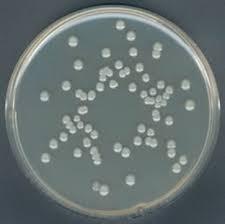
Dextrose Starch Agar is a microbiological growth medium formulated to support the cultivation and differentiation of various microorganisms, particularly bacteria and fungi. Its composition typically includes proteose peptone (nitrogen source), dextrose (glucose) as an energy and carbon source, soluble starch to neutralize toxic fatty acids, sodium chloride for osmotic balance, disodium hydrogen phosphate as a buffering agent, gelatin as a proteinaceous supplement, and agar as the solidifying agent.
Typical composition per liter:
Proteose peptone: 15 g
Dextrose: 2 g
Soluble starch: 10 g
Sodium chloride: 5 g
Disodium hydrogen phosphate: 3 g
Gelatin: 20 g
Agar: 10 g
pH is adjusted to about 7.3 ± 0.2 at 25°C.
The medium provides a nutritious environment favored by fastidious organisms such as Neisseria meningitidis and Streptococcus pyogenes. The starch in the agar also facilitates detection of amylolytic activity by the microorganisms through starch hydrolysis, which can be visualized by iodine staining.
Preparation of the medium involves dissolving 65 g of the powder in 1000 mL of distilled water, boiling to dissolve completely, dispensing into tubes or plates, sterilizing by autoclaving (121°C, 15 min), and cooling in a slanted position for solidification.
This medium finds use in microbiology labs for cultivation, differentiation, and maintenance of stock cultures of specific bacteria and fungi.
Dextrose monohydrate is the monohydrate form of D-glucose, a natural monosaccharide and carbohydrate derived from refined corn or plant starch through enzymatic hydrolysis, appearing as a white, odorless, crystalline powder with a sweet taste (about 65-70% as sweet as sucrose).
Key Properties
It is freely soluble in water at room temperature and boiling alcohol, with typical specifications including a dextrose equivalent of ≥99% (dry basis), moisture content of 7-10%, pH of 4.0-6.5, and specific rotation of +52.0° to +53.6°.
Applications
Serves as a filler, binder, and carbohydrate nutrient in pharmaceuticals for swallowable, chewable, and effervescent tablets.
Used in food products like confectionery, beverages, bakery items, ice creams, and canned goods to enhance texture, sweetness, and shelf life without overpowering flavors.
Acts as an energy source for medical applications, such as oral rehydration solutions (ORS) for dehydration and IV fluids.
Dextrose anhydrous is the anhydrous (water-free) form of D-glucose with the molecular formula C6H12O6. It appears as a white, odorless, crystalline powder that is less sweet than cane sugar and has a sweetening power about 67% of sucrose. It is highly soluble in water and partially soluble in alcohol. It has a melting point of approximately 146°C and density around 1.54–1.56 g/cm³. Dextrose anhydrous contains less than 1% moisture, making it more stable than dextrose monohydrate.
This compound is widely used as a carbohydrate source, filler, and binder in pharmaceutical and nutraceutical tablets, including swallowable, chewable, and effervescent forms. It is also used in oral rehydration solutions (ORS) and intravenous fluids to provide quick energy and restore fluid balance. Additionally, it serves as a raw material for various biochemical and industrial applications including manufacturing amino acids, enzymes, and sweeteners. Its low moisture content provides superior stability for dry food mixes and powdered beverages compared to its monohydrate counterpart.
In summary, dextrose anhydrous is a pure form of glucose without water molecules, known for its high solubility, stability, and multiple uses in food, pharmaceutical, and industrial sectors.
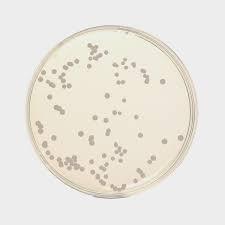
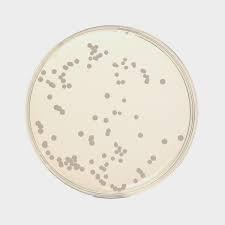
Dextrose agar refers to a type of microbiological growth medium that contains dextrose (glucose) as a key nutrient source, along with agar as a solidifying agent. It is widely used to cultivate fungi, yeasts, and other heterotrophic microorganisms, offering an energy source that supports their growth.
Some common types of dextrose agar media include:
Potato Dextrose Agar (PDA): Made from dehydrated potato infusion and 20 g/L dextrose with 15-20 g/L agar. Its slightly acidic pH (~5.6 or sometimes lowered to 3.5 with tartaric acid) favors fungal growth while inhibiting bacteria. It optionally contains antibacterial agents like chloramphenicol. PDA encourages luxuriant fungal growth and is used to isolate fungi and yeasts from various samples.
Sabouraud Dextrose Agar (SDA): Composed of peptones (animal tissue digests) 10 g/L, dextrose 40 g/L, and agar 15 g/L, adjusted to a pH of about 5.6. It is mainly used to grow dermatophytes, fungi, and yeasts, with antibacterial agents added to inhibit bacteria. The high dextrose concentration and low pH optimize fungal growth.
Yeast Dextrose Agar: Contains yeast extract 10 g/L, dextrose 10 g/L, and agar 15 g/L. The yeast extract provides nitrogen and growth factors, while dextrose supplies energy for microbial growth.
Dextrose agar media are prepared by dissolving the ingredients in distilled water, boiling to dissolve the agar, sterilizing by autoclaving, and pouring into plates. These media support the selective cultivation and morphological analysis of fungi and related microbes in clinical, food, cosmetic, and environmental microbiology.
Thus, dextrose agar is characterized by its dextrose content serving as a carbohydrate energy source, agar as a solidifying agent, a slightly acidic pH to inhibit bacteria, and selective additives in some variants to encourage fungi growth while suppressing contaminant bacteria.
Dextrose agar refers to microbiological culture media containing dextrose (glucose) as a primary carbon and energy source, agar as a solidifying agent, and nutrients tailored for cultivating fungi, yeasts, and sometimes bacteria, often at a slightly acidic pH (around 5.6) to favor fungi while inhibiting bacterial overgrowth.
Common Variants
Sabouraud Dextrose Agar (SDA): Composed of dextrose 40 g/L, peptone 10 g/L, agar 15 g/L (pH 5.6 ± 0.2); variants include antibiotics like chloramphenicol (50 mg/L) or gentamicin (5 mg/L) for selective fungal isolation from clinical specimens, food, or cosmetics.
Potato Dextrose Agar (PDA): Contains potato infusion (from 200 g potatoes), dextrose 20 g/L, agar 15-20 g/L (pH 5.6 ± 0.2, adjustable to 3.5 with tartaric acid); supports luxuriant fungal growth for isolation and morphology studies.
Yeast Dextrose Agar: Includes yeast extract 10 g/L, dextrose 10 g/L, agar 15 g/L (pH ~7.0); provides nitrogen and vitamins for heterotrophic microbes.
Preparation and Uses
Suspend ingredients in distilled water, heat to dissolve agar, adjust pH, autoclave at 121°C for 15 minutes, then pour into plates; incubate at 25-30°C for 2-4 weeks depending on organism. These media are essential for isolating dermatophytes, molds (e.g., Aspergillus), yeasts (e.g., Candida), and assessing contamination in labs.