Thank you for writing to us. One of our executive will reach back to you through your submitted medium. In case there’s an urgency, feel free to connect over WhatsApp for faster response.
Prefer calling? Dial +918048036175 (International callers) or 08048036175 (Indian callers).
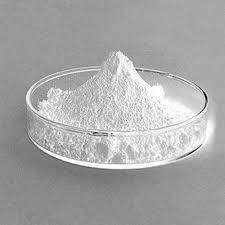
Cupric sulphate anhydrous (CuSO₄) is a white, greyish-white, or pale green crystalline powder, highly hygroscopic and serving as a weak oxidizing agent that readily absorbs water to form the blue pentahydrate.
Identity and Composition
Chemical name: Copper(II) sulfate anhydrous.
Molecular formula: CuSO₄; molecular weight 159.61 g/mol.
Crystal structure: Orthorhombic.
Physical Properties
Appearance: White to greyish powder (distinguishes from blue pentahydrate).
Density: 3.6 g/cm³.
Melting/decomposition: Decomposes above 560–650 °C to CuO and SO₃; highly soluble in water (e.g., 1.055 molal at 10 °C).
Typical Uses
Employed as a desiccant (due to color change upon hydration), in analytical chemistry, electroplating, pigments, and as a reagent in organic synthesis or qualitative tests.
Handling and Safety
Hygroscopic; store in airtight containers. Toxic if ingested, irritant to skin/eyes, and harmful to aquatic life; decomposes to toxic SOx fumes when heated.
For catalog purposes: “Cupric sulphate anhydrous, CuSO₄, white orthorhombic powder, density 3.6 g/cm³, hygroscopic, decomposes >560 °C, water-soluble; for reagents and desiccants; toxic/ irritant.”
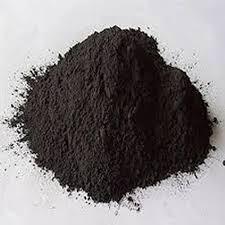
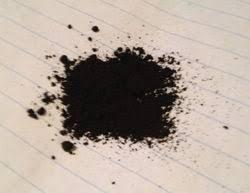
Cupric oxide black powder extra pure is a high-purity form of copper(II) oxide (CuO), typically ≥99% assay, appearing as a fine, stable black amorphous or crystalline powder used in applications requiring minimal impurities.
Identity and Composition
Chemical name: Cupric oxide; Copper(II) oxide.
Molecular formula: CuO; molecular weight 79.55 g/mol.
Grade specifications: Extra pure with CuO ≥98–99.99%, low impurities (e.g., Cu₂O ≤3%, Fe/Zn/Pb trace levels).
Physical Properties
Appearance: Black powder (amorphous or monoclinic crystals).
Density: 6.31–6.315 g/cm³.
Melting point: 1326 °C; insoluble in water, soluble in acids (HCl, H₂SO₄, HNO₃) and alkaline solutions.
Typical Uses
Extra pure cupric oxide black powder serves as a precursor for copper salts, catalyst, pigment in ceramics/glazes (blue/green colors), in batteries, welding fluxes, gas sensors, semiconductors, and wood preservatives.
Handling and Safety
Stable but acts as an oxidizing agent; reacts with acids/bases/reductants (e.g., H₂, CO, C). Harmful if swallowed/inhaled, skin/eye irritant; avoid dust, store sealed away from combustibles.
For catalog purposes: “Cupric oxide black powder, extra pure, CuO ≥99%, black amorphous powder, mp 1326 °C, insoluble in water, for catalysts/pigments; oxidizing agent, irritant.”
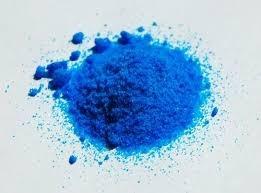
Cupric nitrate extra pure, chemically copper(II) nitrate (Cu(NO3)2), is an inorganic blue crystalline solid notable for its strong oxidizing properties and high solubility in water. The compound exists commonly in hydrated forms but also as an anhydrous solid which sublimes in vacuum at 150–200 °C. Its typical molecular weight is about 187.56 g/mol for the anhydrous form.
Identity and Composition
Chemical name: Copper(II) nitrate or Cupric nitrate.
Molecular formula: Cu(NO3)2; with common hydrated forms (trihydrate, hexahydrate).
Appearance: Blue crystalline solid for hydrates; anhydrous form is blue-green crystals.
Physical Properties
Density: Approximately 3.05 g/cm³ (anhydrous).
Melting point: Hydrated forms melt around 114.5 °C; anhydrous decomposes at ~256 °C.
Solubility: Highly soluble in water, ethanol, and ammonia.
Typical Uses
Cupric nitrate is utilized as a reagent and catalyst in organic synthesis, in the synthesis of copper compounds, fungicides, pyrotechnics, and as a source of copper ions. It decomposes on heating to yield copper oxide and nitrogen oxides, useful industrially for nitric acid production.
Handling and Safety
It is hygroscopic, toxic if ingested, and an irritant to skin and eyes. It releases toxic nitrogen dioxide gas upon decomposition; proper handling and storage in airtight containers are advised to prevent moisture absorption.
For catalog description: “Cupric nitrate extra pure, Cu(NO3)2, blue crystalline solid, highly soluble, melting point ~114.5 °C (hydrate), strong oxidizer; reagent and catalyst for chemical synthesis.”
Cupric fluoride, also known as copper(II) fluoride (CuF2), is an inorganic compound appearing as a white to light gray crystalline powder that is hygroscopic and has a monoclinic crystal structure. It is a solid with a molecular weight of 101.54 g/mol and melts with decomposition around 950 °C. Cupric fluoride is sparingly soluble in water and hydrolyzes in hot water.
Identity and Composition
Chemical name: Copper(II) fluoride (cupric fluoride).
Molecular formula: CuF2; molecular weight 101.54 g/mol.
Purity: Extra pure grades typically ≥98% assay.
Physical Properties
Appearance: White to light gray powder or crystals.
Density: Approximately 4.23 g/cm³ at 25 °C.
Melting Point: Around 950 °C with decomposition.
Solubility: Sparingly soluble in cold water, soluble in dilute acids, hydrolyzes in hot water.
Typical Uses
Cupric fluoride is used as a catalyst in organic synthesis (e.g., fluorination reactions), in ceramics and enamels, high-energy batteries, as a flux and additive in metal processing, and in the fabrication of fluorinated compounds. Its hydrated forms are used in enamel and ceramic industries, while anhydrous forms are favored in non-aqueous battery cells and chemical synthesis.
Handling and Safety
It is hygroscopic and should be stored in a cool, dry, well-ventilated place away from moisture. It is toxic, can cause skin and eye irritation, and contact with acids releases toxic gases. Appropriate protective gear is recommended during handling.
For catalog description: “Cupric fluoride extra pure (CuF2), white to light gray crystalline powder, ≥98% purity, melting point 950 °C (dec.), sparingly soluble, used in catalysts, ceramics, batteries; toxic and hygroscopic.”
Cupric chromate basic refers to basic copper(II) chromate compounds, such as CuCrO₄·Cu(OH)₂, forming yellow, copper-red, chocolate-brown, or lilac crystals that are insoluble in water but soluble in acids like nitric acid.
Identity and Composition
Chemical name: Basic cupric chromate (e.g., copper chromate monohydroxide).
Molecular formula: Variable, e.g., CrCuH₂O₄ or CuCrO₄·Cu(OH)₂; molecular weight ~181.55 g/mol for neutral form.
Related forms: Decomposes to copper chromite (Cu₂Cr₂O₅, black powder) above 400 °C.
Physical Properties
Appearance: Crystals ranging from yellow to brown/lilac depending on hydroxide ratio.
Solubility: Insoluble in water; soluble in acids; loses water at ~260 °C.
Density: Not consistently specified; related copper chromite ~5.42 g/cm³.
Typical Uses
Basic cupric chromate serves as a precursor for copper chromite catalysts in hydrogenation, dehydrogenation, and organic synthesis (e.g., furfural to furfuryl alcohol), pigments, and burn rate modifiers in propellants.
Handling and Safety
Highly toxic (chromium VI compound), carcinogenic, oxidizing solid; avoid inhalation, skin contact, and environmental release. Store sealed; handle with PPE.
For catalog description: “Cupric chromate basic, CuCrO₄·Cu(OH)₂, yellow-brown crystals, insoluble in water, decomposes >400 °C to chromite, pigment/catalyst precursor; highly toxic/oxidizing.”
Cupric chloride extra pure is a high-purity form of copper(II) chloride (CuCl₂), typically ≥99% assay, available as yellowish-brown anhydrous powder or blue-green dihydrate crystals (CuCl₂·2H₂O), deliquescent and highly soluble in water.
Identity and Composition
Chemical name: Copper(II) chloride; cupric chloride.
Molecular formula: CuCl₂ (anhydrous, 134.45 g/mol); CuCl₂·2H₂O (dihydrate, 170.48 g/mol).
Crystal structure: Monoclinic (anhydrous); orthorhombic (dihydrate).
Physical Properties
Appearance: Yellowish-brown solid (anhydrous); blue-green crystals (dihydrate).
Density: 3.386 g/cm³ (anhydrous).
Melting point: 498 °C (anhydrous); boiling point 993 °C.
Solubility: Highly soluble in water, ethanol, ammonia; gives green solutions in dilute acid.
Typical Uses
Extra pure cupric chloride acts as a catalyst in the Wacker process for ethylene to acetaldehyde, in organic/inorganic synthesis, etching copper circuits, wood preservation, fungicides, and as a mordant in dyeing/printing.
Handling and Safety
Corrosive to skin/eyes/metals, harmful if swallowed/inhaled; strong irritant and possible sensitizer. Store sealed away from moisture; avoid aluminum contact.
For catalog purposes: “Cupric chloride extra pure, CuCl₂ ≥99%, yellowish-brown powder or blue-green dihydrate, mp 498 °C, highly water-soluble, catalyst/etchant; corrosive irritant.”
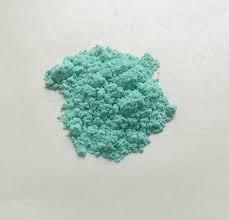
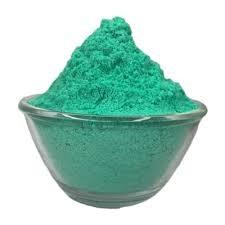
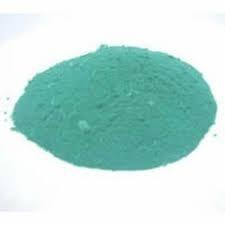
Cupric carbonate basic extra pure is a high-purity form of basic copper(II) carbonate (Cu₂CO₃(OH)₂ or CuCO₃·Cu(OH)₂), appearing as a green to dark green amorphous powder, insoluble in water but soluble in acids.
Identity and Composition
Chemical name: Basic cupric carbonate; copper carbonate hydroxide.
Molecular formula: Cu₂CO₃(OH)₂; molecular weight 221.11 g/mol.
Grade specifications: Extra pure with Cu content 46–50%, low impurities (e.g., chlorides ≤0.05%, sulfates ≤0.5%, Fe ≤0.1%).
Physical Properties
Appearance: Green powder (peacock green or dark green).
Density: ~3.9 g/cm³.
Decomposition: Loses water at ~200 °C, decomposes to CuO + CO₂ + H₂O at 290 °C.
Solubility: Insoluble in water/alcohol; soluble in acids, ammonia, cyanide, or alkali carbonates forming copper complexes.
Typical Uses
Extra pure basic cupric carbonate is used as a pigment (e.g., in paints, enamels), pyrotechnics/signal flares, fungicide/algaecide, precursor for other copper salts, and in plating or phosphor activators.
Handling and Safety
Hygroscopic and toxic (inhalation/skin absorption); harmful to aquatic life. Store sealed in dry conditions; avoid environmental release and use PPE.
For catalog purposes: “Cupric carbonate basic extra pure, Cu₂CO₃(OH)₂, green powder, Cu 46–50%, insoluble in water, decomposes 200–290 °C, pigment/fungicide; toxic to aquatic life.”
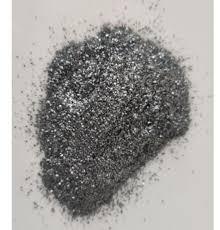
Cupric bromide, or copper(II) bromide (CuBr₂), is a deliquescent grayish-black crystalline powder or dark green crystals, highly soluble in water, ethanol, acetone, and ammonia, forming blue solutions.
Identity and Composition
Chemical name: Copper(II) bromide; cupric bromide.
Molecular formula: CuBr₂; molecular weight 223.37 g/mol.
Common forms: Anhydrous or unstable tetrahydrate (CuBr₂·4H₂O).
Physical Properties
Appearance: Grayish-black to dark green crystals or powder.
Density: 4.71–4.77 g/cm³.
Melting point: 498 °C; decomposes on heating to copper and bromine.
Solubility: Very soluble in water (deliquescent); soluble in alcohols and ammonia.
Typical Uses
Cupric bromide serves as a brominating agent in organic synthesis (e.g., α-bromo ketones), catalyst in cross-coupling (Sonogashira, C-C bond formation), photographic intensifier, and in copper vapor lasers for dermatology.
Handling and Safety
Corrosive (causes severe skin/eye burns), harmful if swallowed; handle with PPE, store sealed away from moisture. GHS classifications: H302, H314, H318.
For catalog purposes: “Cupric bromide, CuBr₂, grayish-black deliquescent crystals, mp 498 °C, highly water-soluble, brominating agent/catalyst; corrosive and toxic.”
Cupric acetate extra pure, chemically copper(II) acetate (Cu(CH3COO)2), is typically available as a greenish-blue crystalline powder or crystals of the monohydrate form (Cu(CH3COO)2·H2O) with purity ≥98-99%. It is odorless and soluble in water and alcohol.
Identity and Composition
Chemical name: Copper(II) acetate; cupric acetate.
Molecular formula: Cu(CH3COO)2 (anhydrous) or Cu(CH3COO)2·H2O (monohydrate); molecular weight ~199.65 g/mol for monohydrate.
Appearance: Bluish green crystalline powder or crystals.
Grade: Extra pure; assay typically 98–101% for monohydrate, with low levels of chloride, sulfate, calcium, and insoluble matter.
Physical Properties
Melting point: About 116 °C for monohydrate.
Solubility: Soluble in water and alcohol; slightly soluble in ether and glycerol.
Typical Uses
Cupric acetate serves as a catalyst in organic synthesis, in electrolysis and electroplating, fungicide, insecticide, and as a precursor for copper-based materials and semiconductors.
Handling and Safety
It is stable under normal conditions but precaution is needed as it is toxic and an irritant. Store in a cool, dry place, avoiding moisture and incompatible substances.
For catalog use: “Cupric acetate extra pure, Cu(CH3COO)2·H2O, bluish green crystals, assay ≥98%, soluble in water/alcohol, catalyst and fungicide applications; toxic and irritant.”
Crystal Violet solution is an aqueous solution of crystal violet dye, known for its vibrant blue-violet color and widely used as a biological stain, antimicrobial agent, and chemical indicator. It is a triarylmethane dye commonly employed in Gram staining to differentiate bacterial species by cell wall composition, and also used to stain cell nuclei and biofilms in research applications.
Properties
Color: Blue-violet in water with absorption max around 590 nm; color shifts with pH.
Solubility: Water soluble, light-sensitive, should be stored in dark containers.
Antimicrobial: Effective antibacterial, antifungal, and anthelmintic properties.
Uses
Histological stain for microscopy and Gram staining to classify bacteria.
Cell viability and biofilm assays in microbiology and cell biology.
Topical antiseptic treatment for fungal and bacterial infections (e.g., candidiasis, thrush).
Industrial dye for textiles, paper, silk, and marking laboratory animals.
Chemical indicator for pH and metal ion detection in colorimetric assays.
Handling
Store in a dark container to protect from light degradation.
Use protective measures as the dye can be an irritant; handle according to safety data.
In summary, Crystal Violet solution is a versatile, water-soluble violet dye widely used in scientific staining, antimicrobial applications, and as a chemical indicator.
Crystal Violet (Gram's) solution for microscopy is a purple aqueous primary stain (typically 1% crystal violet in water or alcohol) used in the Gram staining technique to differentiate Gram-positive (purple) from Gram-negative (pink/red) bacteria based on cell wall peptidoglycan differences.
Composition and Preparation
Primary component: Crystal violet dye (gentian violet, CI 42555), often with ammonium oxalate for stability.
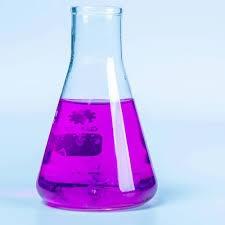
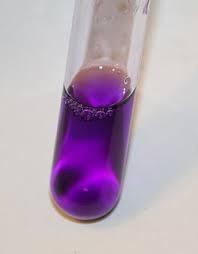
Standard formulation: 1% crystal violet solution, clear purple liquid suitable for microscopic staining.
Role: Initial stain binds to all bacterial cells; fixed by Gram's iodine mordant.
Staining Procedure
Prepare thin heat-fixed bacterial smear on slide.
Flood with Crystal Violet (Gram's) for 30–60 seconds, rinse gently with water.
Apply Gram's iodine 30–60 seconds, rinse; decolorize with ethanol/acetone 10–20 seconds, rinse; counterstain with safranin 30–60 seconds, rinse, dry, observe under oil immersion.
Results: Gram-positive retain violet (thick peptidoglycan); Gram-negative lose dye, take safranin (pink).
Properties and Handling
Appearance: Purple solution, light-sensitive; store dark.
Critical factor: Decolorization timing affects results; over-decolorizes Gram-positive to pink.
For catalog: “Crystal Violet (Gram’s) solution for microscopy, 1% purple stain, for bacterial differentiation in Gram procedure; Gram+ purple, Gram- pink/red
Crystal Violet (CV) is widely used in microbiology (m.s. or microbial staining) and as a chemical indicator due to its distinctive violet color and chemical properties.
Use in Microbial Staining (m.s.)
Crystal Violet acts as a primary stain in the Gram staining procedure, helping to identify and differentiate Gram-positive bacteria by staining their thick peptidoglycan cell walls violet.
It is employed in staining bacterial cell walls, fungal cells, and biofilms, facilitating microscopic visualization.
The dye binds to negatively charged components of the cell wall, making it useful for viability assays and colony staining.
Use as an Indicator
Crystal Violet serves as a pH indicator, changing color in response to pH shifts (purple in neutral/alkaline, fading in acidic).
It is also used as a redox and complexometric indicator in certain chemical titrations.
Furthermore, it acts as an indicator for metal ions, especially in complex formation reactions due to its structural affinity for metal coordination.
Summary
Crystal Violet’s strong staining ability and color-change properties make it valuable in microbiological diagnostics and various chemical analytical techniques.